
How Often to Water Snake Plant: A Simple Soil Test Guide 2026

A snake plant does not need water on a fixed schedule. It needs water when the soil has actually dried out, and how long that takes depends on light, pot size, pot material, and the time of year. Once you understand the check, you will stop guessing and stop losing plants to root rot, which is the most common way a snake plan.
Quick Answer(How Often to Water Snake Plant)
⚡ Quick Answer: How Often to Water a Snake Plant?
Most indoor snake plants need water roughly every 2 to 6 weeks, depending on light levels and the season, and even less frequently during winter. Rather than following a set calendar, water only when the top 2 to 3 inches of soil are completely dry (or fully dry for small pots). When in doubt, wait a few more days snake plants tolerate underwatering far better than overwatering.
Most indoor snake plants need water roughly every two to six weeks, depending on light and season, and less often than that in winter. Rather than counting days, check the soil: water only when it is dry at least two to three inches down, or fully dry in a small pot. When in doubt, wait a few more days. Snake plants tolerate underwatering far better than overwatering.
Watering Frequency Overview
Snake plants (Dracaena trifasciata, formerly Sansevieria trifasciata) are succulents native to dry, rocky parts of West Africa, and their thick rhizomes and fleshy leaves store water for long stretches between rainfall. That background is why a fixed watering calendar is the wrong tool for this plant. The North Carolina State University Extension identifies the species as native to central Africa and adapted to periods of drought, which is consistent with why the plant tolerates neglect but struggles in soil that stays wet.
In practice, that translates to a wide range depending on conditions:
- Bright indirect light, warm room, well-draining pot: roughly every 2 to 3 weeks in the growing season
- Moderate or lower light, cooler room: roughly every 4 to 6 weeks
- Winter, almost any indoor condition: roughly every 6 to 8 weeks, sometimes longer
These ranges are a starting point, not a rule. The soil check below is what actually tells you when to water.
The Soil Dryness Test
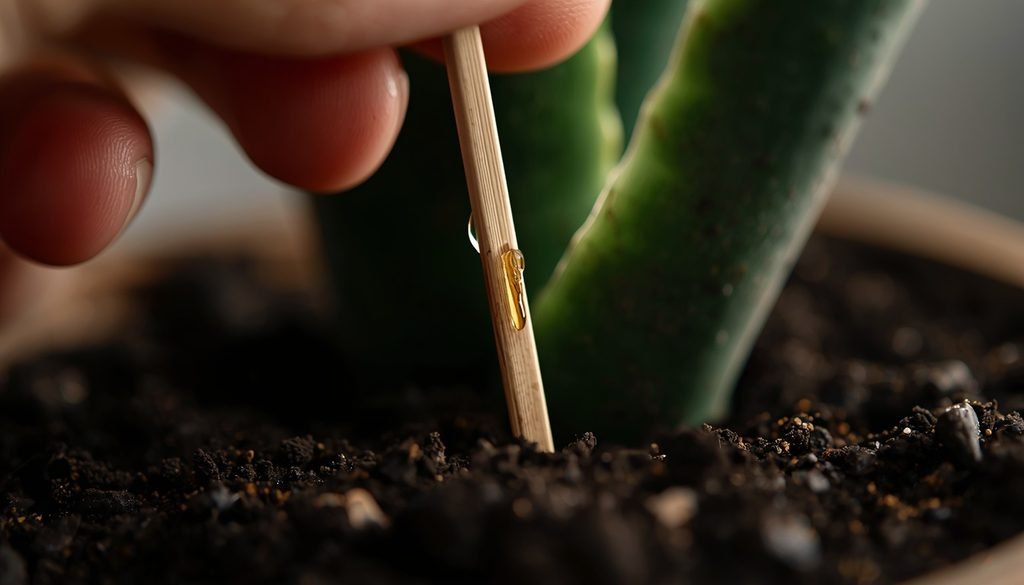
- Push a finger straight down into the soil, about two to three inches for a standard 6 to 8 inch pot, or use a wooden skewer and check for moist soil clinging to it.
- If the soil feels cool or damp at that depth, wait and check again in a few days.
- If it is dry at that depth, and the pot has drainage, it is time to water.
- For a small pot (4 inches or less), check almost the full depth of the pot, since a small soil volume dries faster but also holds very little buffer.
A calendar cannot account for the variables that actually control drying time: how much light the plant gets, how warm the room is, what the pot is made of, and how open the soil mix is. Two identical snake plants in the same home can dry out at noticeably different rates if one sits in a south-facing window and the other sits in a hallway.
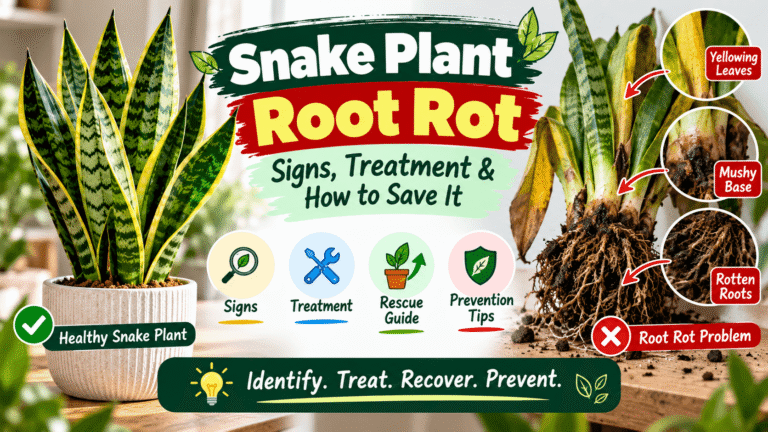
If you notice persistent yellowing and soft, mushy stems, your plant may be suffering from severe root rot. In this case, trim the damaged roots immediately and learn how to repot a plant using fresh, well-draining soil mix.
How Much Water to Give
When you do water, water thoroughly rather than giving a small splash. Pour water evenly around the base until it runs freely from the drainage holes, which flushes the whole root zone rather than wetting only the top layer of soil. Let the pot drain fully, then discard any water left sitting in the saucer after about 15 to 20 minutes. Standing water under the pot is one of the most common causes of root rot, because the bottom of the root ball stays saturated even after the topsoil looks dry.
How to Water Correctly
Top Watering vs. Bottom Watering
Both methods work well for a snake plant, and neither is automatically better.
Top watering means pouring water onto the soil surface until it drains from the bottom. It is the simplest method, flushes out mineral buildup over time, and makes it easy to see when enough water has been given.
Bottom watering means setting the pot in a shallow tray of water for 20 to 30 minutes so the soil draws moisture up through the drainage holes, then removing the pot once the surface feels damp. This can help a badly dried-out, pulled-away root ball rehydrate more evenly, since very dry potting mix can otherwise repel water poured from the top and run straight down the inside edge of the pot.
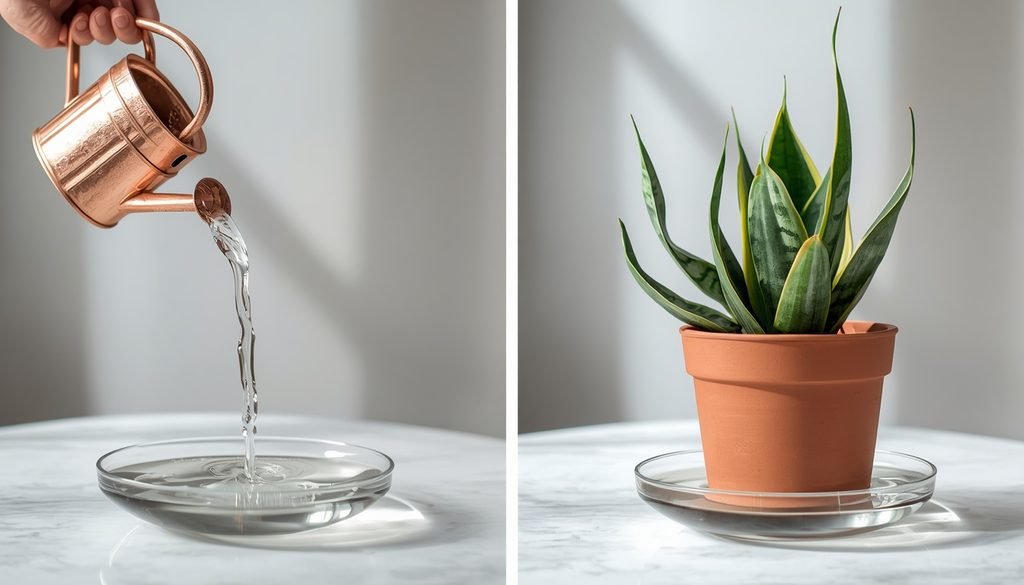
Whichever method you use, drainage holes are not optional. A pot without them makes it very difficult to judge how much water has actually reached the roots versus how much is pooling invisibly at the bottom, and it removes your ability to flush excess water out.
Watering by Season
Spring
Growth picks up as light and temperature increase, so soil dries faster and watering typically becomes more frequent than in winter. Continue to rely on the soil check rather than switching to a fixed spring schedule.
Summer
This is usually the plant’s most active growing period indoors, and warmer rooms plus longer daylight hours mean the soil dries fastest now. This is often when watering is closest to the 2 to 3 week end of the range, though a plant in low light can still dry out slowly even in summer.
Fall
As light levels and temperatures drop, growth slows and soil holds moisture longer. Expect to stretch the interval between waterings.
Winter
Most snake plants slow down or become semi-dormant indoors in winter, and indoor heating dries the air but does not necessarily dry the soil faster, since lower light is the bigger factor in slowing water uptake. Colorado State University’s PlantTalk service advises giving a snake plant only enough water to keep the soil from drying out completely during fall and winter, reflecting how little the plant needs while growth is slow. Many indoor plants go 6 to 8 weeks or longer between waterings during this period.
Watering Indoors
Indoor snake plants are shaped mainly by light exposure and room temperature rather than outdoor weather. A plant near a bright window dries faster than one in a dim corner, and a plant near a heating vent or radiator can dry out faster in the topsoil even in winter. Reassess your interval any time you move the plant to a different room or light level, rather than assuming last month’s schedule still applies.
Watering Outdoors
In frost-free climates where snake plants are grown outdoors or on a patio, rainfall, humidity, and direct sun exposure all affect drying time, and the same soil check applies. Outdoor container plants in full sun and wind typically dry out considerably faster than the same plant would indoors, so check more often during hot, dry stretches and reduce watering during rainy periods so the pot is not receiving water from both rain and manual watering.
How Light Affects Watering
Snake plants tolerate a wide range of light, from low indirect light to several hours of direct sun, but light level directly affects how fast the soil dries and how much water the plant is using for photosynthesis. In brighter light, the plant is more active and the soil dries faster, which generally means more frequent watering. In low light, both growth and water use slow down, and the same watering frequency that suits a bright room can easily overwater a plant kept in a dim hallway. Intense, unfiltered direct sun for extended periods can also stress the leaves independent of watering, so “more light” is not automatically better; it simply changes the watering math.
How Pot Size and Material Affect Watering
- Pot size relative to the root ball: an oversized pot holds more soil volume than the roots can use, which stays wet longer and raises the risk of root rot. A pot that closely fits the root system dries more evenly.
- Terracotta or unglazed clay: porous walls let moisture evaporate sideways through the material, so soil dries faster and more evenly, which suits a plant that is prone to overwatering.
- Plastic or glazed ceramic: non-porous walls trap moisture inside the pot, so soil stays wet longer, which means longer intervals between waterings in the same conditions.
How Soil and Drainage Affect Watering
Snake plants need a fast-draining mix, similar to a cactus or succulent blend, rather than a dense, water-retentive potting soil. A mix with added perlite, pumice, or coarse sand creates air pockets that let excess water drain and let oxygen reach the roots between waterings. Standard all-purpose potting soil often holds too much moisture around the thick rhizomes, which is one of the more common, preventable causes of root rot in this plant. A pot without drainage holes compounds the problem regardless of soil mix, since water has nowhere to go once the reservoir at the bottom fills.
Signs of Underwatering
- Leaves feel thin, slightly wrinkled, or puckered rather than firm
- Leaf tips turning brown and dry, sometimes crisp
- Overall slower growth and a duller appearance
- Soil pulling away from the sides of the pot and feeling bone-dry throughout
Snake plants recover from underwatering quickly and reliably once watered again, which is why experienced growers tend to favor erring on the dry side.
How Often to Water Snake Plant?
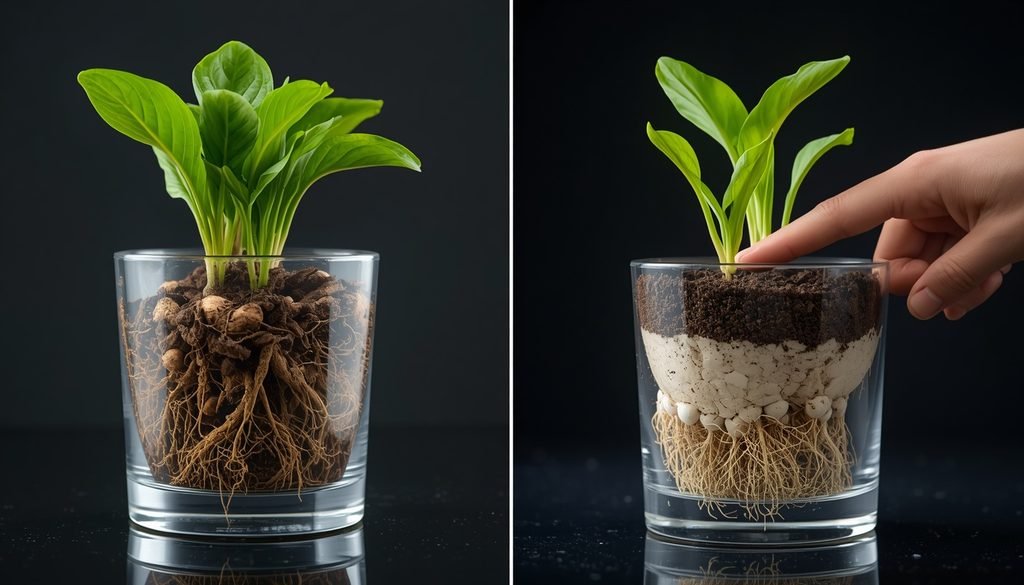
Signs of Overwatering
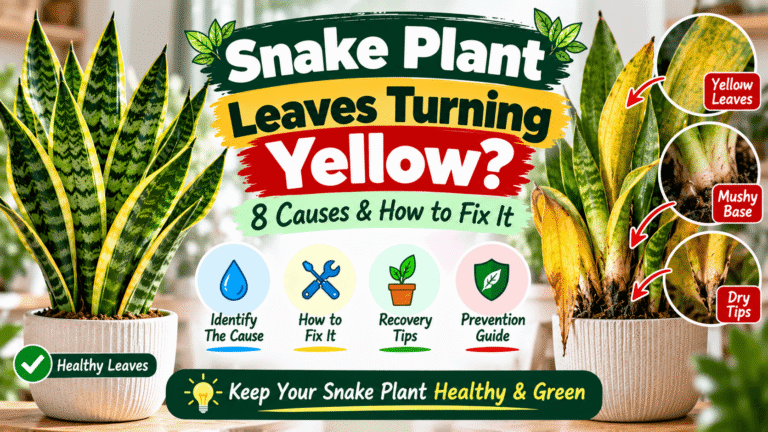
- Leaves turning yellow, especially starting at the base
- Leaves feeling soft, mushy, or limp instead of firm
- A sour or rotten smell coming from the soil
- Dark, mushy roots or a rhizome that feels soft when checked
- The plant leaning or toppling because the root system has weakened
Overwatering vs. Underwatering at a Glance
| Symptom | More Likely Cause | What to Check | What to Do |
|---|---|---|---|
| 🟡 Yellow leaves | Overwatering, sometimes old age on a single lower leaf | Soil moisture at 2 to 3 inches; check for mushy base | If soil is wet, let it dry fully before watering again; remove any mushy leaves |
| ⚠️ Soft, mushy leaves | Overwatering or root rot | Squeeze gently near the base; check root color if repotting | Reduce watering; if roots are brown and mushy, trim and repot in fresh, dry mix |
| 🍂 Brown, crispy tips | Underwatering, low humidity, or mineral buildup from tap water | Overall soil dryness; how long since last watering | Water thoroughly; consider filtered water if tips persist |
| 🥀 Wrinkled or puckered leaves | Underwatering | Soil dryness throughout the pot | Water thoroughly and check again sooner next time |
| 🪵 Drooping or leaning plant | Root rot from overwatering, or a very top-heavy plant | Root and rhizome firmness | If roots are healthy, it may just need repotting for stability; if mushy, treat as root rot |
| 🏜️ Dry, crumbling soil | Underwatering (soil pulling from pot sides) | Time since last watering | Water thoroughly, and consider bottom watering once to rehydrate evenly |
Symptoms can overlap. Yellow leaves, for example, can come from overwatering, natural aging of a single old leaf, or occasionally a nutrient issue, so always confirm with a soil and root check rather than relying on leaf color alone.
Overwatered and weak indoor plants are much more susceptible to indoor pests. If you spot white cotton-like spots on the leaves while checking soil moisture, check our guide on how to get rid of mealybugs before they spread to your other houseplants
What to Do if the Snake Plant Is Overwatered
- Stop watering immediately and let the soil dry out fully before reassessing.
- Gently remove the plant from its pot and inspect the roots and rhizome. Healthy roots are typically firm and pale; rotten ones are dark, soft, and may smell unpleasant.
- Trim away any mushy roots or rhizome sections with a clean, sharp tool.
- Repot into fresh, fast-draining succulent mix and a pot with drainage holes, sized close to the remaining root system rather than oversized.
- Hold off on watering for one to two weeks after repotting to let any cut surfaces callous and reduce further rot risk, then resume the soil check method.
- Move the plant to a spot with a bit more light if it was previously in very low light, since brighter conditions help the soil dry faster going forward and reduce the chance of repeating the problem.
Common Watering Mistakes
- Watering on a fixed calendar. Conditions change with the seasons, so a fixed interval eventually overwaters or underwaters the plant.
- Watering while soil is still damp underneath. A dry surface does not mean the deeper soil is dry.
- Using a pot without drainage holes. This removes your ability to flush the soil and makes overwatering much easier to miss.
- Letting the pot sit in standing water. Even correct watering can cause root rot if the saucer is never emptied.
- Giving small, frequent sips instead of a deep watering. Light, frequent watering wets only the top layer and encourages shallow roots while never fully flushing the pot.
- Assuming yellow leaves always mean underwatering. In snake plants, yellowing more often points to overwatering.
- Ignoring the plant after repotting or moving it. Fresh soil and a new light level both change how fast the pot dries, so the old interval no longer applies.
After Repotting or Moving the Plant
Fresh potting mix typically holds moisture differently than the old, partially broken-down soil it replaced, and root disturbance during repotting temporarily reduces the plant’s ability to take up water. Wait longer than usual before the first watering after repotting, and rely on the soil check rather than resuming the previous schedule. The same applies after moving the plant to a brighter or dimmer spot: treat the next few weeks as a reset period and check the soil more frequently until you learn the new drying pattern.
Choosing the right container size is crucial for proper moisture management. While indoor houseplants like snake plants need shallow pots to prevent root rot, outdoor container crops have much higher space demands. For instance, understanding how deep tomato roots grow helps you select the correct pot depth for healthy edible gardens.
Distinguishing Wet Soil From a Plant That Still Looks Thirsty
Snake plant leaves can look slightly dull or even develop minor wrinkling from cold stress, low humidity, or recent repotting, not only from lack of water. Before watering based on leaf appearance alone, always check the soil first. Watering a plant whose soil is still moist, because the leaves look tired, is one of the more common ways overwatering happens even to attentive plant owners.
If you enjoy multiplying your indoor garden, snake plants can easily be divided during repotting. Similarly, if you want to expand your collection with another low-maintenance houseplant, you can learn how to propagate spider plant using plantlets and water.
Practical Watering Decision Guide
| Condition | What to Check | What to Do |
|---|---|---|
| 🌱 Soil dry 2 to 3 inches down | Confirm dryness at that depth with a finger or skewer | Water thoroughly until it drains from the bottom |
| 🛋️ Plant in low light | Soil often stays moist longer | Extend the interval; check every 1 to 2 weeks before assuming it is dry |
| ☀️ Plant in bright/direct light | Soil dries faster | Check more often; water when dry at the same 2 to 3 inch depth |
| ❄️ Winter conditions | Growth has slowed | Water less often; allow more of the pot to dry before watering |
| 🔥 Summer conditions | Soil dries fastest | Check weekly; water once truly dry rather than on a fixed date |
| 🚫 Pot without drainage holes | Risk of trapped water at the base | Repot into a pot with drainage, or water very sparingly and tip out excess |
| 🟡 Yellow or soft leaves | Likely overwatering or root rot | Hold off on watering; inspect roots if the problem continues |
| 🥀 Shrivelled or wrinkled leaves | Likely underwatering | Water thoroughly and check soil sooner next time |
Frequently Asked Questions (How Often to Water Snake Plant)
How do I know when my snake plant needs water?
Check the soil two to three inches down. If it feels dry at that depth and the leaves are still firm, it is time to water. If the soil is still cool or damp, wait and check again in a few days rather than watering on a set date.
Do snake plants need direct sunlight?
No. Snake plants tolerate a wide range of light, from low indirect light to several hours of sun, and adapt reasonably well to most indoor rooms. They do best in medium to bright indirect light, and variegated types generally hold their patterning better with more light, but direct sunlight is not a requirement and intense, prolonged sun can stress the leaves.
What does an overwatered snake plant look like?
Typical signs include yellowing leaves, soft or mushy leaf tissue, a sour smell from the soil, and dark, mushy roots or rhizome tissue. A plant that leans or topples can also point to a weakened root system from prolonged overwatering.
How long can snake plants go without water?
Established snake plants can often go several weeks to a couple of months without water, particularly in winter or low light, because of the water stored in their thick leaves and rhizomes. This makes them more tolerant of a missed watering than most houseplants, but it does not mean they never need water. Prolonged, severe drought will still eventually cause leaf wrinkling and diebac.
Should I mist a snake plant instead of watering the soil?
No. Misting does not replace watering the soil, since snake plants take up moisture through the roots, not the leaves. They also do not need high humidity, and frequent misting can leave water sitting in the leaf rosette, which raises the risk of fungal or bacterial spotting. Water the soil directly instead.
Can I use tap water for my snake plant?
In most areas, yes. If leaf tips start turning brown and crispy despite normal watering, mineral or chlorine buildup from tap water could be a factor. In that case, let tap water sit out for about 24 hours before using it, or switch to filtered or distilled water.
Does a small pot need watering more often than a large pot?
Generally yes, since a smaller volume of soil holds less water and dries out faster. This is a useful starting expectation, not a substitute for checking the soil, since light and pot material also affect drying time regardless of pot size.
Is there a best time of day to water a snake plant?
Morning is a reasonable default, since it gives excess surface moisture time to evaporate during the day. This is a minor factor compared to soil dryness, light, and season, so it should not override the soil check.
Does a snake plant need more water right after repotting?
No, generally less, at least at first. Wait longer than usual before the first watering after repotting, since disturbed roots take up water less efficiently and fresh potting mix often holds moisture differently than the soil it replaced. Resume the normal soil check once the plant has settled in.
Conclusion
There is no single correct number of days between waterings for every snake plant. Light, pot size, pot material, soil mix, and season all change how quickly the soil dries, which is why a soil check beats a calendar every time. Water thoroughly when the soil is dry two to three inches down, let it drain fully, and lean toward underwatering rather than overwatering, since this plant recovers from dryness far more easily than it recovers from root rot.
Once you master watering hardy succulents like snake plants, you can confidently try growing your own vegetables at home. For a fun beginner project, check out how to grow tomatoes from tomato seeds right from your kitchen counter.

6 Comments