
Moonshine Snake Plant: Care, Light, Watering & Problems
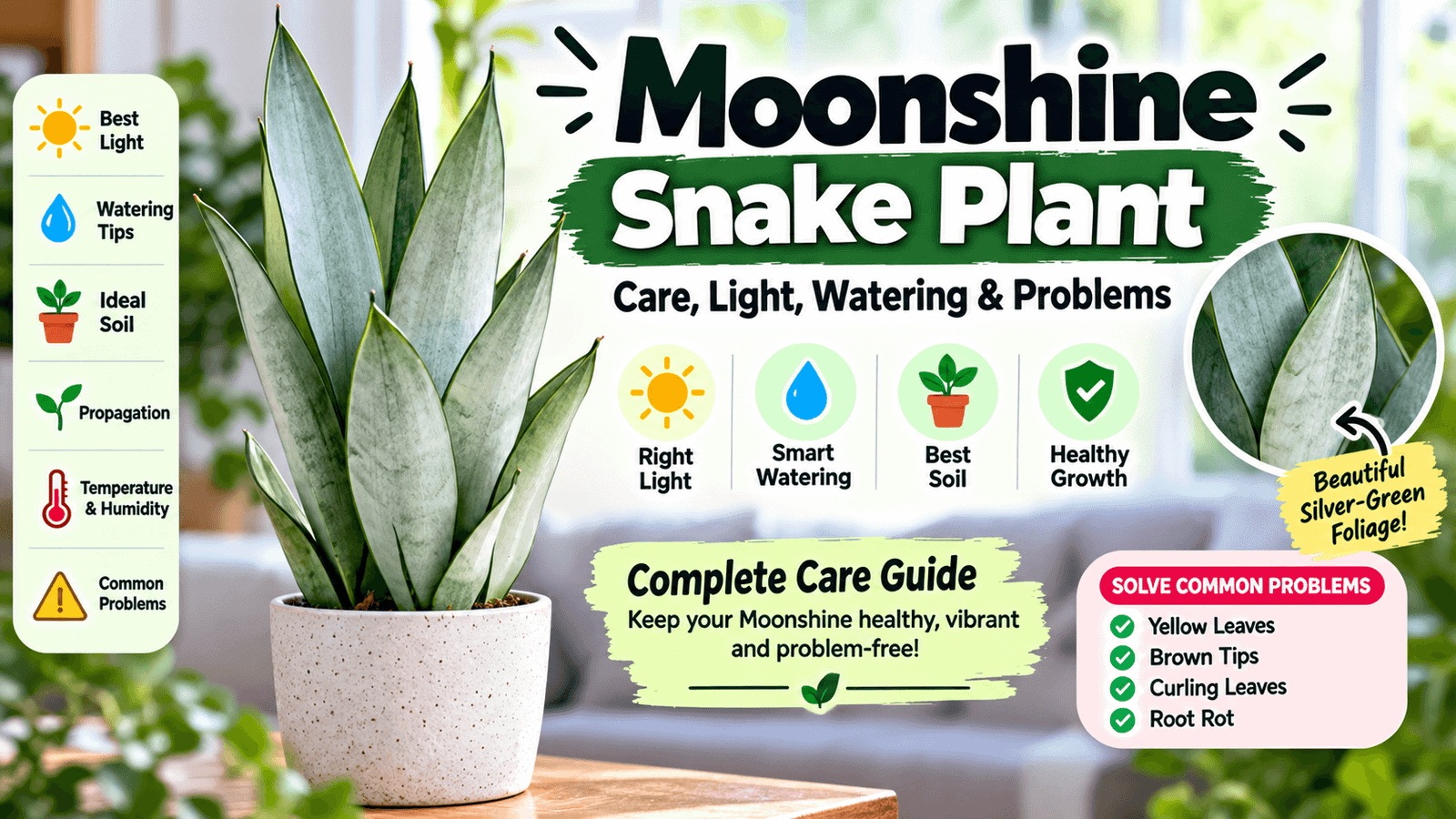
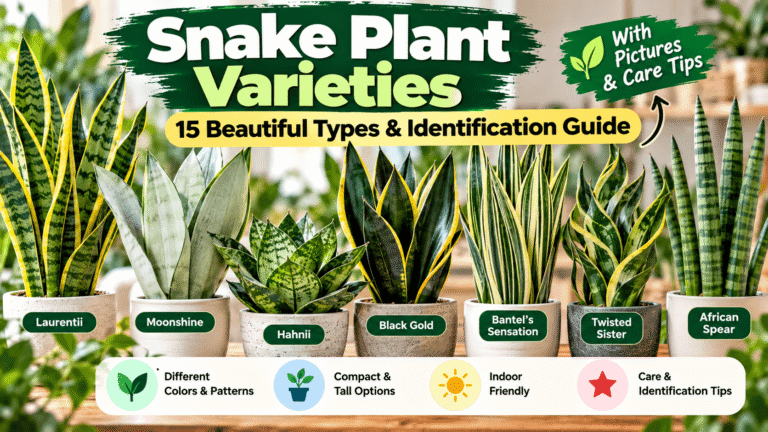
The Moonshine snake plant (Dracaena trifasciata ‘Moonshine’) is a distinctive snake plant cultivar known for broad, upright leaves with a pale silvery-gray to silver-green appearance. It is relatively low-maintenance, but the best color and healthiest roots depend on appropriate light, careful watering and fast-draining soil.
What Is a Moonshine Snake Plant?
You may also see this plant sold as Sansevieria Moonshine, Moonlight snake plant or silver snake plant. The name Sansevieria trifasciata is still common in horticultural trade, although the species is now classified within Dracaena.
NC State Extension specifically lists ‘Moonshine’ among the cultivars of Dracaena trifasciata and describes its foliage as silvery-gray with light-green blotches and narrow dark-green margins.
To compare Moonshine with other cultivars, see our Snake Plant Varieties guide .
How Do You Care for a Moonshine Snake Plant?
| Care Factor | Moonshine Snake Plant Preference | Key Tip |
|---|---|---|
| Light | Medium to bright indirect light; tolerates lower light | Avoid abruptly exposing an indoor plant to intense sun |
| Water | Allow soil to dry between waterings | Check soil rather than watering by calendar |
| Soil | Loose, freely draining potting mix | A cactus/succulent-style mix can work well |
| Pot | Container with functional drainage | Do not leave the root zone sitting in water |
| Humidity | Normal indoor conditions are usually suitable | High humidity is not normally required |
| Feeding | Light feeding during active growth if needed | Avoid excessive fertilizer |
| Main Risk | Persistent excess moisture | Wet roots can lead to rot |
How Much Light Does a Moonshine Snake Plant Need?
Bright Indirect Light
A bright position protected from prolonged harsh sun is a practical choice for maintaining healthy, attractive foliage.
Medium Light
Moonshine can adapt to moderate indoor light and remains relatively easy to maintain.
Low Light
Snake plants tolerate low light, but growth may slow and Moonshine’s appearance can become less distinctive.
NC State Extension notes that the species tolerates very low light, while its cultivation guidance includes partial sun and shade conditions.
Why Is My Moonshine Snake Plant Turning Green?
The Moonshine cultivar is valued specifically for its pale silver-green appearance. Young foliage can look particularly light, while older leaves may appear darker.
Because light also affects growth and foliage appearance, keeping Moonshine permanently in a very dim location may make its signature silver effect less impressive.
How Often Should You Water a Moonshine Snake Plant?
NC State Extension recommends allowing snake plant soil to dry between waterings during spring through autumn and watering much less during winter. It also warns that overwatering can rot the roots.
-
Check the soil first.
Do not water simply because a certain number of days has passed. -
Wait while the root zone is still damp.
Moonshine stores moisture better than many leafy tropical houseplants. -
Water thoroughly when appropriate.
Moisten the root ball rather than repeatedly giving tiny surface splashes. -
Allow excess water to drain.
Do not leave the pot standing in collected water. -
Check again before the next watering.
Cooler, darker conditions normally slow soil drying.
For our full soil-testing and seasonal system, read How Often to Water a Snake Plant .
What Is the Best Soil for a Moonshine Snake Plant?
Prioritize Drainage
The root zone should contain air and should not remain saturated for long periods after watering.
Use a Drainage Hole
Good soil cannot fully compensate for a container that traps excess water around the roots.
Our complete Best Soil for Snake Plant guide includes an easy DIY mix, ingredient comparison, drainage advice and repotting guidance.
What Temperature and Humidity Does Moonshine Snake Plant Prefer?
NC State notes that snake plant tolerates low humidity and temperatures around 50°F (10°C), reinforcing its usefulness as an indoor foliage plant.
Does Moonshine Snake Plant Need Fertilizer?
Excess fertilizer can contribute to salt buildup in container soil. For a naturally slow-growing snake plant, correcting light, drainage and watering is usually more important than aggressive feeding.
What Are Common Moonshine Snake Plant Problems?
How Do You Save an Overwatered Moonshine Snake Plant?
-
Stop watering.
Do not add more moisture to an already saturated root zone. -
Remove the plant carefully.
Inspect roots and rhizomes for soft or decayed tissue. -
Remove badly rotted material.
Use a clean cutting tool and retain healthy, firm plant tissue. -
Correct the growing medium.
Replant into a clean, freely draining mix and a suitable container with drainage. -
Fix the cause.
Adjust future watering according to actual soil moisture rather than a fixed calendar.
How Do You Propagate a Moonshine Snake Plant?
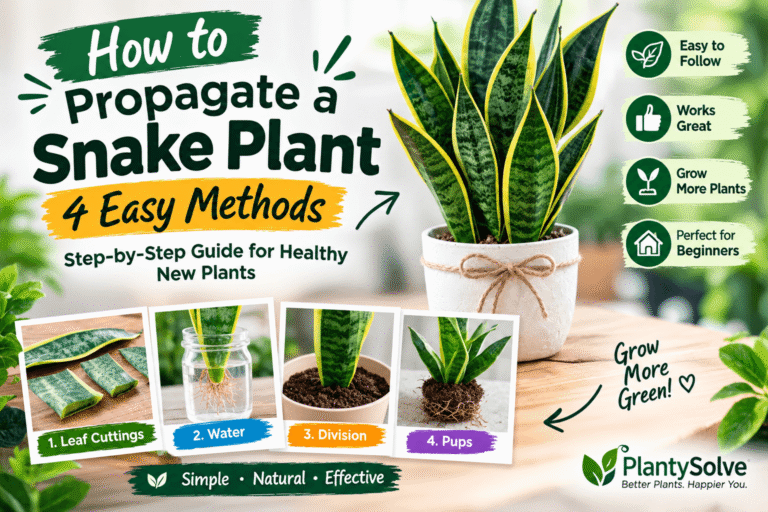
Division
Separate established sections with roots and rhizome attached. This is a useful method for maintaining cultivar characteristics.
Pups / Offsets
Established snake plants can produce new shoots from underground rhizomes that can eventually be separated.
Leaf Cuttings
Leaf sections can root, but they are not the best choice when preserving Moonshine’s silver appearance is your main objective.
For step-by-step instructions, see our How to Propagate Snake Plant guide .
When Should You Repot a Moonshine Snake Plant?
Possible signs include severe root crowding, a damaged or distorted container, poor drainage, deteriorated potting medium, or a plant that has become unstable in relation to its pot.
Can a Moonshine Snake Plant Flower?
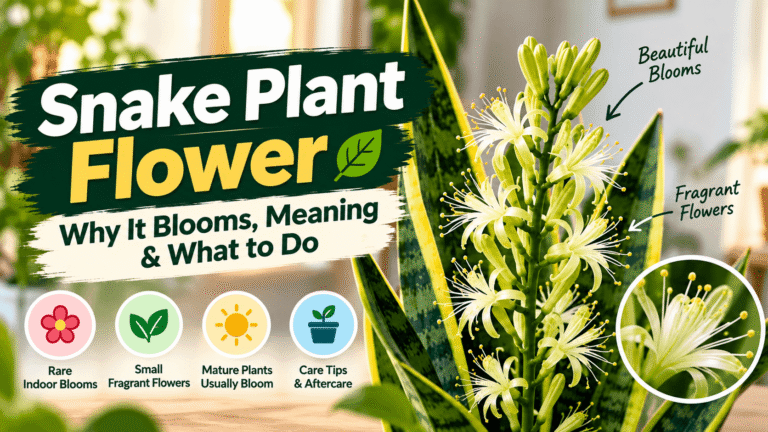
If your plant develops a flower stalk, our Snake Plant Flower guide explains why snake plants may bloom and what you should do afterward.
Is Moonshine Snake Plant Toxic to Cats and Dogs?
If you have pets that chew plants, read our complete Is Snake Plant Toxic to Cats? guide for symptoms, prevention and what to do after suspected ingestion.
Moonshine vs. Regular Snake Plant: What Is the Difference?
| Feature | Moonshine | Classic Snake Plant |
|---|---|---|
| Leaf Color | Pale silver-green | Usually medium to dark green |
| Pattern | Subtle, muted appearance | Often stronger cross-banding |
| Leaf Form | Broad, upright leaves | Upright sword-shaped leaves |
| Watering | Allow soil to dry | Allow soil to dry |
| Soil | Fast-draining | Fast-draining |
| Main Appeal | Silver minimalist foliage | Classic patterned foliage |
See 15 Snake Plant Varieties for a wider visual and identification comparison.
Frequently Asked Questions About Moonshine Snake Plant
Is Moonshine snake plant easy to care for?
Yes. Moonshine is generally a low-maintenance houseplant when its roots are not kept continuously wet. Appropriate light, freely draining soil and careful watering are the main requirements.
Does Moonshine snake plant need direct sunlight?
No. Moonshine can grow in indirect indoor light and does not require prolonged intense direct sun. Medium to bright indirect light is a practical choice for healthy growth and attractive foliage.
Can Moonshine snake plant grow in low light?
It can tolerate lower-light conditions, as snake plants are shade-tolerant, but growth may be slower and the silver appearance may be less distinctive than under useful indirect light.
Why is my Moonshine snake plant turning dark green?
Moonshine leaves may become darker as they mature, while low-light conditions can also make its characteristic silver appearance less pronounced. Review the light available to the plant before making other changes.
How often should I water Moonshine snake plant?
Water according to soil dryness rather than a fixed number of days. Allow the potting medium to dry between waterings, then water thoroughly and allow excess water to drain.
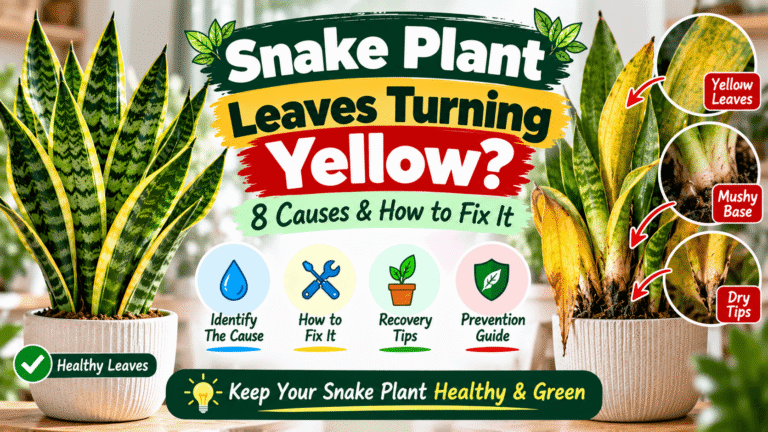
Why is my Moonshine snake plant yellow and mushy?
Yellowing combined with soft or mushy tissue can indicate excessive moisture or root problems. Check the potting medium, drainage, roots and rhizome for signs of rot.
What is the best soil for Moonshine snake plant?
Use a loose, freely draining potting medium. A cactus or succulent-style mix can provide a suitable base, particularly when used in a container with a functional drainage hole.
Can you propagate Moonshine snake plant from a leaf?
Leaf cuttings can root, but division or offsets are preferable when you want to preserve the parent Moonshine plant’s distinctive cultivar appearance.
Is Moonshine snake plant toxic to cats?
Yes. Moonshine should not be considered cat-safe. Snake plants contain saponins and can cause adverse effects when ingested by pets.
The Bottom Line
The Moonshine snake plant is distinguished by its broad, pale silver-green leaves, but its basic needs remain similar to other snake plants: useful indirect light, freely draining soil and careful watering.
If you remember only one rule, make it this: check the root zone before watering. Persistent excess moisture is a much bigger threat than missing a rigid watering date. Give Moonshine good light and drainage, and its striking silver foliage can remain the centerpiece of your indoor plant collection.
Authoritative Horticultural Reference
NC State Extension: Dracaena trifasciata — Snake Plant
This source was used to cross-check botanical classification, ‘Moonshine’ cultivar characteristics, light tolerance, watering, drainage and root-rot guidance.

One Comment