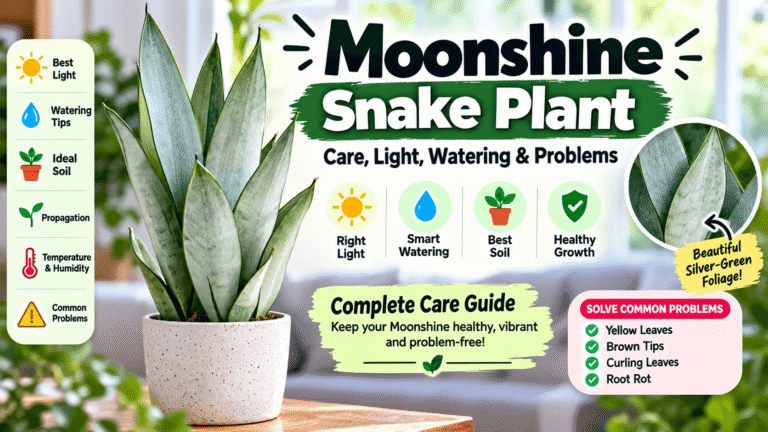
Snake Plant Toxic to Cats? Symptoms, Safety & What to Do
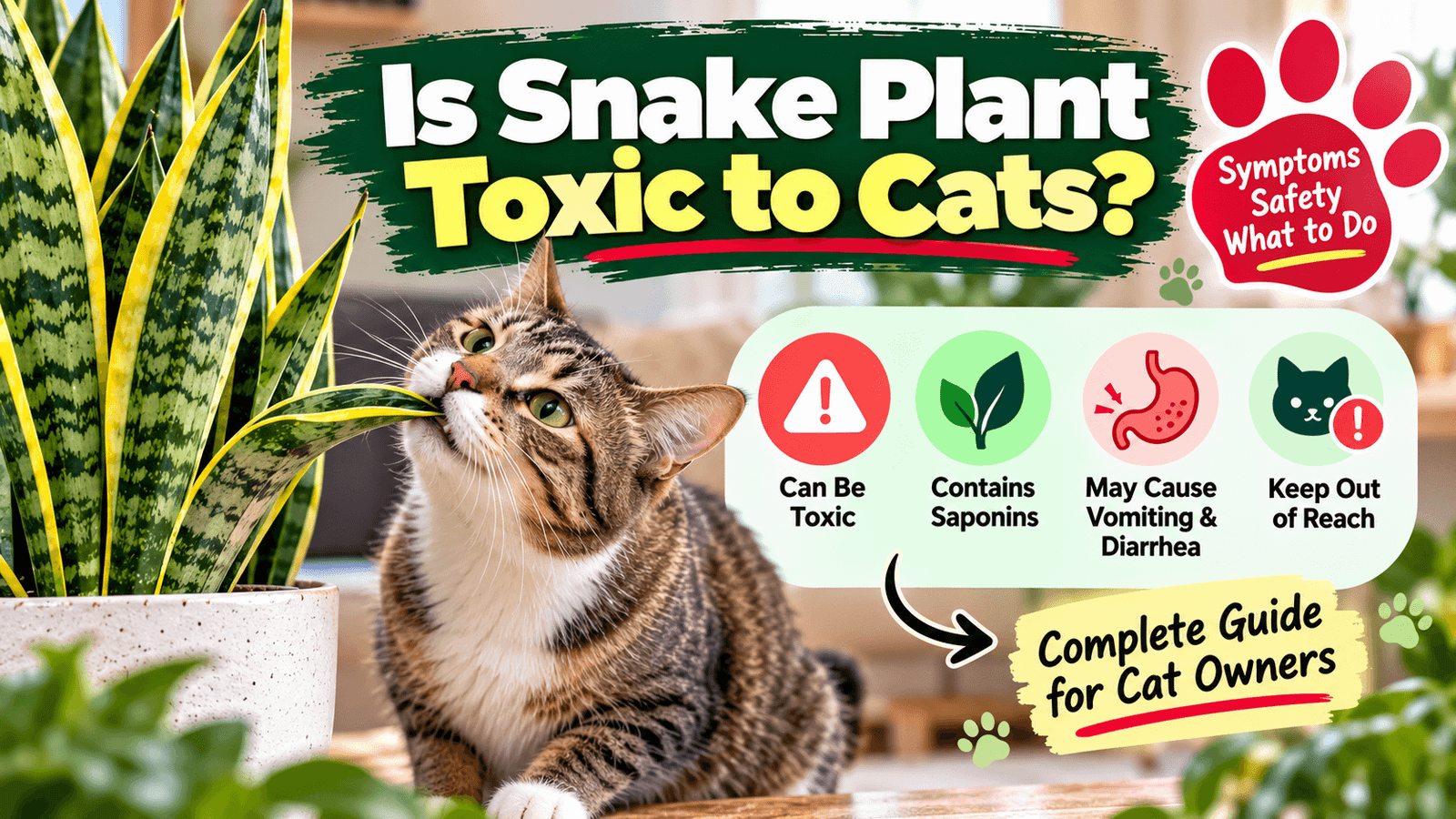
Is snake plant toxic to cats? Yes. Snake plant (Dracaena trifasciata, formerly Sansevieria trifasciata) is considered toxic to cats when ingested because it contains saponins. Eating the plant can cause digestive symptoms such as nausea, vomiting and diarrhea.
Is Snake Plant Toxic to Cats?
Snake plant is commonly known botanically as Dracaena trifasciata. You may also see its older scientific name, Sansevieria trifasciata, on plant labels and older references.
According to the ASPCA Animal Poison Control snake plant profile , the plant is toxic to cats and contains saponins.
Why Is Snake Plant Toxic to Cats?
Saponins occur naturally in plants. Their presence does not make a snake plant dangerous simply because it is sitting in the room; the primary pet-safety concern is a cat chewing or swallowing plant material.
What Are the Symptoms of Snake Plant Poisoning in Cats?
| Possible Sign | What You May Notice | What to Do |
|---|---|---|
| Nausea | Your cat may appear uncomfortable or show changes around food. | Contact your veterinarian for advice after suspected ingestion. |
| Vomiting | Your cat may vomit after chewing or swallowing plant material. | Seek professional guidance, especially if vomiting repeats. |
| Diarrhea | Loose stool may occur. | Discuss symptoms and the suspected plant exposure with your vet. |
| Drooling | Excess saliva may be noticeable. | Contact a veterinarian or animal poison service for advice. |
| Dilated pupils | Pupils may appear unusually enlarged. | Seek veterinary guidance promptly. |
| Wobbly gait | Your cat may appear unsteady. | Seek veterinary attention promptly. |
What Should You Do If Your Cat Ate a Snake Plant?
🚨 Cat Ate a Snake Plant? Do This
- Stop further access. Move the plant away so your cat cannot continue chewing it.
- Identify the plant. Keep the plant label, name or a clear photo available when speaking with the veterinarian.
- Estimate what happened. If possible, note when the exposure occurred and approximately how much appears to be missing.
- Contact your veterinarian. Explain that your cat may have ingested snake plant (Dracaena trifasciata).
- Follow professional instructions. Treatment decisions should be based on your cat’s specific exposure and condition.
When Should You Contact a Veterinarian?
Professional guidance becomes particularly important if your cat is showing repeated vomiting, marked drooling, weakness, unsteadiness, significant behavioral change or any other concerning symptoms.
The ASPCA advises pet owners who suspect ingestion of a potentially toxic substance to contact ASPCA Animal Poison Control or their veterinarian. Fees may apply to poison-control consultations.
Which Parts of a Snake Plant Are Toxic to Cats?
For indoor cats, the stiff upright leaves are usually the most accessible part of the plant. A curious cat may bite leaf tips or chew along the edges.
The NC State Extension snake plant profile also identifies saponins as the toxic principle and lists the plant as a problem for cats.
Are All Snake Plant Varieties Toxic to Cats?
Cultivars such as Laurentii, Moonshine, Hahnii and Black Gold differ dramatically in appearance, but they are associated with the same snake-plant group rather than being pet-safe substitutes.
Our Snake Plant Varieties guide explains the botanical and visual differences among popular types.
Can You Keep a Snake Plant in a Home With Cats?
Separate the Plant
A room or area your cat cannot access provides more reliable separation than an ordinary table or shelf.
Consider Your Cat
A cat that routinely chews greenery or climbs furniture requires a different safety plan from a cat that ignores plants.
Choose Non-Toxic Plants
If reliable separation is impossible, choosing plants specifically listed as non-toxic to cats can reduce the ingestion concern.
How Can You Stop a Cat From Chewing a Snake Plant?
-
Observe your cat’s behavior.
Determine whether your cat ignores plants or actively seeks them out. -
Move the plant out of reach.
Remember that many cats can jump onto shelves, cabinets and plant stands. -
Remove fallen plant material.
Do not leave damaged leaves or plant pieces where your cat can chew them. -
Use physical separation where practical.
A closed room or genuinely inaccessible plant area can be more reliable than height alone. -
Consider a non-toxic replacement.
For persistent plant chewers, replacing toxic houseplants may be the simplest long-term solution.
What Are Cat-Safe Alternatives to Snake Plants?
Spider Plant
Chlorophytum comosum is listed by the ASPCA as non-toxic to cats and dogs.
Areca Palm
Dypsis lutescens, commonly called areca palm, is listed by the ASPCA as non-toxic to cats and dogs.
Parlor Palm
Parlor palm is another option to investigate when selecting indoor plants for a cat household.
Always verify the botanical identity against a trusted pet-toxicity database before purchase.
Boston Fern
Boston fern is commonly listed among non-toxic options for cats, but confirm the exact fern species because common names can be confusing.
Is Snake Plant Toxic to Dogs Too?
Therefore, moving a snake plant away from a cat but leaving it accessible to a plant-chewing dog does not solve the household pet-safety issue.
Does Snake Plant Care Affect Its Toxicity to Cats?
For plant-care information separate from pet toxicity, see our snake plant watering guide and best soil for snake plant guide .
Frequently Asked Questions
Is snake plant toxic to cats?
Yes. The ASPCA lists snake plant as toxic to cats. The toxic principle is saponins, and ingestion can cause signs including nausea, vomiting and diarrhea.
What happens if a cat eats a snake plant?
Possible effects include nausea, vomiting, diarrhea and drooling. Pet Poison Helpline also reports dilated pupils and a wobbly gait in cats following Sansevieria exposure. Contact a veterinarian or animal poison service for advice about an actual ingestion.
What should I do if my cat chewed a snake plant?
Prevent further access, identify the plant, note approximately when the exposure occurred and contact your veterinarian or an animal poison-control service for case-specific instructions.
Should I make my cat vomit after eating snake plant?
Do not induce vomiting unless a veterinarian or qualified animal poison professional specifically instructs you to do so. Contact a professional for advice based on the actual exposure.
Is mother-in-law’s tongue toxic to cats?
Yes. Mother-in-law’s tongue is another common name for snake plant. The ASPCA lists it as toxic to cats because of saponins.
Is Moonshine snake plant toxic to cats?
Moonshine is a snake plant cultivar rather than a cat-safe substitute. Do not assume that its silver foliage makes it safe for cats to chew or ingest.
Are snake plant flowers safe for cats?
Do not treat snake plant flowers or other plant parts as edible for cats. NC State Extension lists multiple parts of Dracaena trifasciata, including flowers, among poisonous plant parts.
Is snake plant toxic to dogs?
Yes. The ASPCA lists snake plant as toxic to dogs as well as cats, with saponins identified as the toxic principle.
The Bottom Line
Snake plant is toxic to cats when ingested. The ASPCA identifies saponins as the toxic principle and lists nausea, vomiting and diarrhea among the clinical signs. Pet Poison Helpline also reports drooling and certain additional signs in cats.
If your cat has chewed or swallowed snake plant material, prevent further access and contact your veterinarian or a veterinary poison-control service for advice. For homes with persistent plant-chewing cats, a verified non-toxic houseplant is a simpler way to reduce the risk.
Authoritative Sources
ASPCA Animal Poison Control: Snake Plant Toxicity Profile
Pet Poison Helpline: Sansevieria Toxicity to Pets
NC State Extension: Dracaena trifasciata — Snake Plant