Why Are My Indoor Plants Dying? Causes & Fixes Guide (2026)
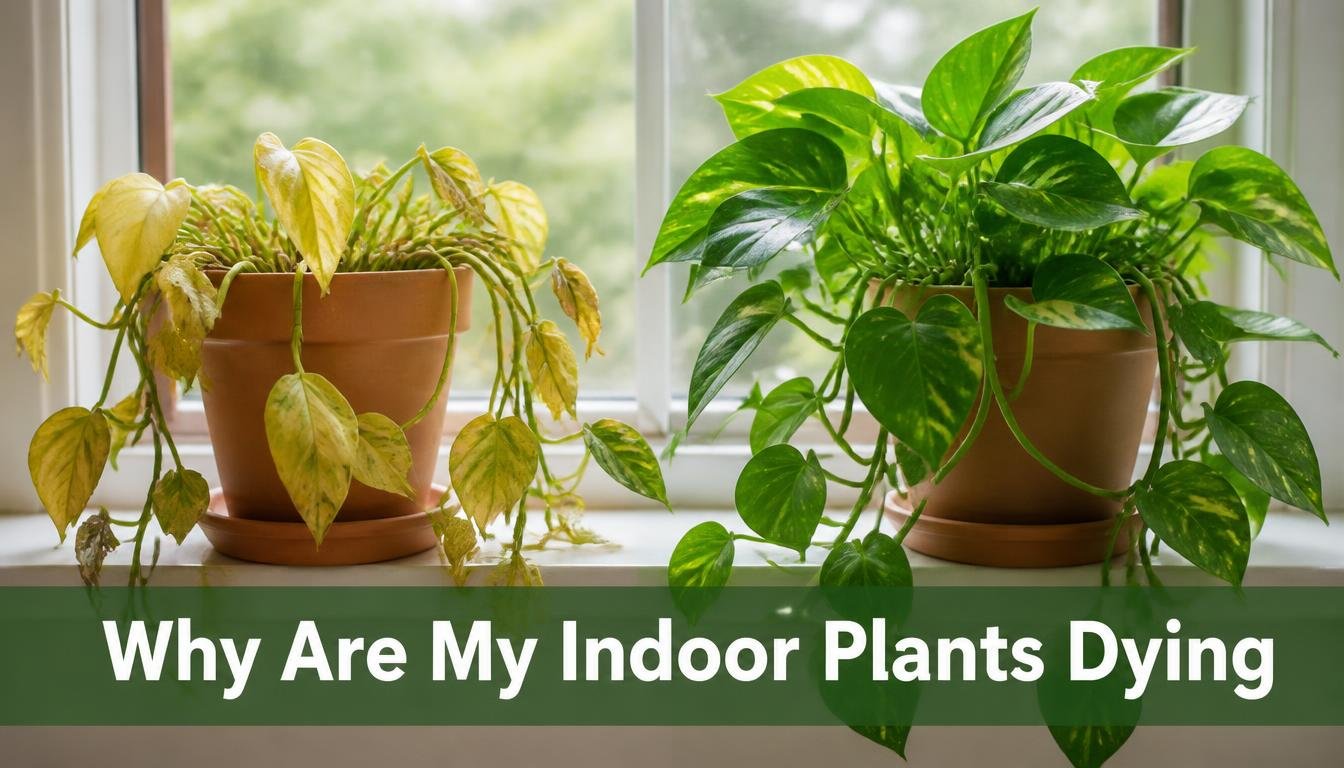
You water on time, you give the plant a bright spot, and it still drops leaves. It is frustrating, and it can make you feel that you are simply bad with plants. You are probably not. Most struggling houseplants are reacting to one or two conditions that can be found and corrected, but the correct fix depends on reading the symptoms first.
If you keep asking why are my indoor plants dying, the answer is rarely one dramatic mistake. This guide walks through the common causes, shows how to tell similar symptoms apart, and gives a careful recovery plan that avoids making things worse.
Quick Answer
Indoor plants usually decline due to incorrect watering, low light, poor drainage, temperature stress, unsuitable soil, pests, or nutrient imbalances.
💡 What to do before changing your routine: Check soil moisture, inspect roots and leaves, and review recent environmental changes to identify the exact cause.
Start Here: A Quick Symptom Table
Use this table to narrow the possibilities. Symptoms overlap, so treat each row as a lead, not a verdict. A single sign is rarely enough to confirm a diagnosis.
| 🔍 What You Notice | ⚠️ Possible Cause | 🛠️ What to Check or Do |
|---|---|---|
| Yellow leaves and wet soil | Overwatering, poor drainage, early root damage | Check soil below the surface and confirm the pot drains. Hold off watering. |
| Wilting although the soil is moist | Root rot or damaged roots that cannot absorb water | Slide the plant out and look at the roots. |
| Brown, crispy leaf edges | Dry air, underwatering, or salt build up | Check soil moisture and look at the humidity and the white crust on the pot. |
| Pale leaves and stretched growth | Too little light | Move closer to a bright window in stages. |
| Mushy stems or dark, soft roots | Rot from waterlogged soil | Remove rotted tissue and repot only if needed. |
| Fine webbing or white cotton-like insects | Spider mites or mealybugs | Isolate the plant and inspect leaf undersides and stem joints. |
| Sudden leaf drop after moving a plant | Transplant shock or a change in light, warmth, or humidity | Keep conditions stable and avoid new changes. |
| White crust on soil or pot | Mineral or fertilizer salt build up | Flush the pot with water, let it drain fully, and reduce feeding. |
Why Are My Indoor Plants Dying? The Most Common Causes
Plants do not naturally live indoors. Most houseplants are tender, often tropical species, and a typical home can offer dry air, limited light, and irregular watering. Problems often appear in winter, when growth slows and the combination of overwatering, weaker light, and dry heated air does the most harm. The sections below explain what each cause does to the plant, how it shows up, and what to do.
Overwatering and Root Rot
Roots need oxygen as well as water. When soil stays saturated, the air spaces fill with water and roots begin to suffocate. Damaged roots cannot take up water, so the plant can wilt even though the soil is wet. This is why so many people ask why is my plant dying even though I am watering it: the watering itself may be the problem.
Warning signs include yellowing leaves, leaves that drop on both old and new growth, a musty smell from the pot, soft or blackened stems at the base, and roots that are brown and mushy instead of firm. Pots with no drainage holes make the problem much more likely because excess water has nowhere to go.
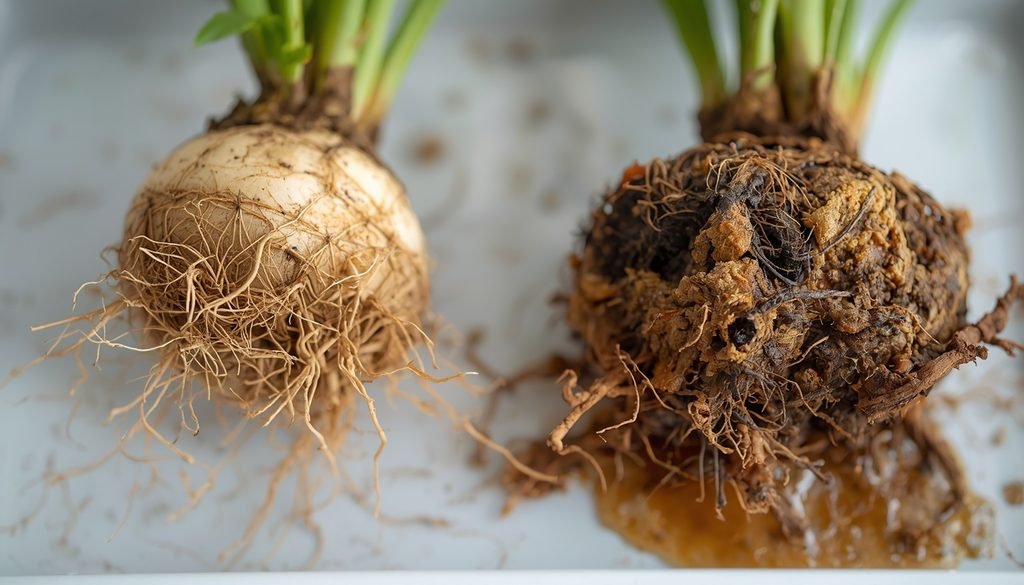
To check, push a finger a few centimeters (about an inch or two) into the mix, or lift the pot and judge its weight. If the plant is wilting and the mix is wet, do not water again. Read the guide to fixing an overwatered plant when excess moisture and root damage are suspected. Inspect the roots when a plant keeps declining despite correct moisture, and repot only if you find rot or a pot that cannot drain.
Underwatering and Extremely Dry Potting Mix
An underwatered plant shows wilting, brown and crispy leaf edges, and a pot that feels very light. Unlike overwatering, the oldest leaves at the base often yellow and fall first, and the mix pulls away from the pot edge.
A severely dried root ball can repel water, which then runs down the sides and out of the drainage holes. To rewet it, set the pot in a sink or basin with a few inches of room temperature water for 15 to 30 minutes, until the surface mix looks moist, then let it drain completely. Do not leave the pot standing in water afterward.
Too Little Light
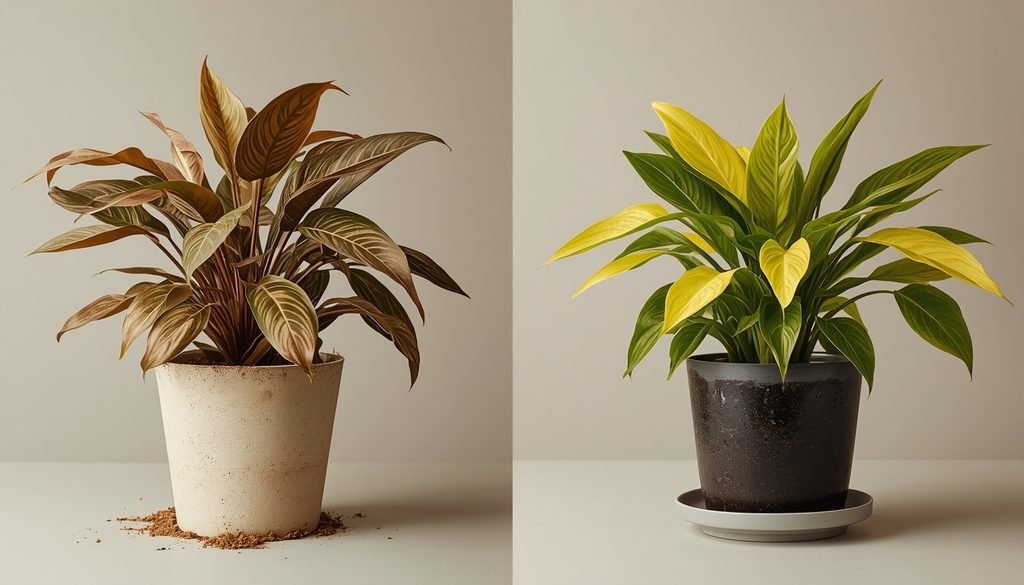
Light is the energy source for a plant. With too little, you will see pale or small leaves, long gaps between leaves, growth leaning toward a window, slow or stalled growth, and older leaves yellowing and falling. Variegated plants may lose their pale patterns and revert to plain green.
Assess your light by watching a spot through the day. A plant that sits in a room corner several feet from a window gets far less light than it appears to. Move plants closer to a window in stages over a week or two. Not every plant needs direct sun. Many foliage plants prefer bright indirect light, and a grow light can help in dark homes or in winter.
Too Much Direct Sunlight
Strong direct sun, such as a south facing window in summer, can scorch leaves. Scorch appears as brown or tan patches, a washed out look, or damage on the side facing the glass. Paler areas of variegated leaves burn first.
Move the plant out of the hot beam, or filter the light with a sheer curtain. Remove badly damaged leaves if you wish, but the plant should be reintroduced to brighter light gradually, not suddenly.
Poor Drainage, Unsuitable Soil, or the Wrong Pot
A plant in a pot without drainage holes, or in dense, compacted mix, holds water around the roots for too long. An oversized pot has the same effect: the roots cannot use all the mix, so it stays wet.
Choose a pot with drainage holes, or keep the plant in a plastic nursery pot inside a decorative cover and empty the cover after watering. Match the mix to the plant. Succulents and cacti need gritty, fast draining mix, while many tropical foliage plants prefer a mix that holds some moisture while still draining freely.
Temperature Changes and Cold Drafts
Many tropical houseplants are damaged by chilling even at temperatures well above freezing. Cold windowsills at night, doors that open to the outside, and unheated porches can cause leaf drop, blackened leaves, or spots. Heat is also a problem: radiators, heating vents, and very hot rooms can scorch or dry leaves and cause wilting.
Check the plant label for its comfortable range, keep plants away from drafts and direct heat sources, and remember that cold air can collect between a window and a closed curtain.
Low Humidity and Dry Indoor Air
Dry air makes leaves lose water faster than the roots can replace it. The classic sign is brown, crispy tips and edges, sometimes with early leaf, bud, or flower drop. Needs vary widely: ferns, calatheas, and many tropical species are sensitive, while cacti and succulents are not.
Group plants together, move sensitive ones to a bathroom or kitchen when light allows, or use a small humidifier. Misting is not a reliable or lasting fix. It raises humidity only briefly, and on some plants, wet leaves in poor airflow can encourage mold or leaf spots.
Pests and Plant Diseases
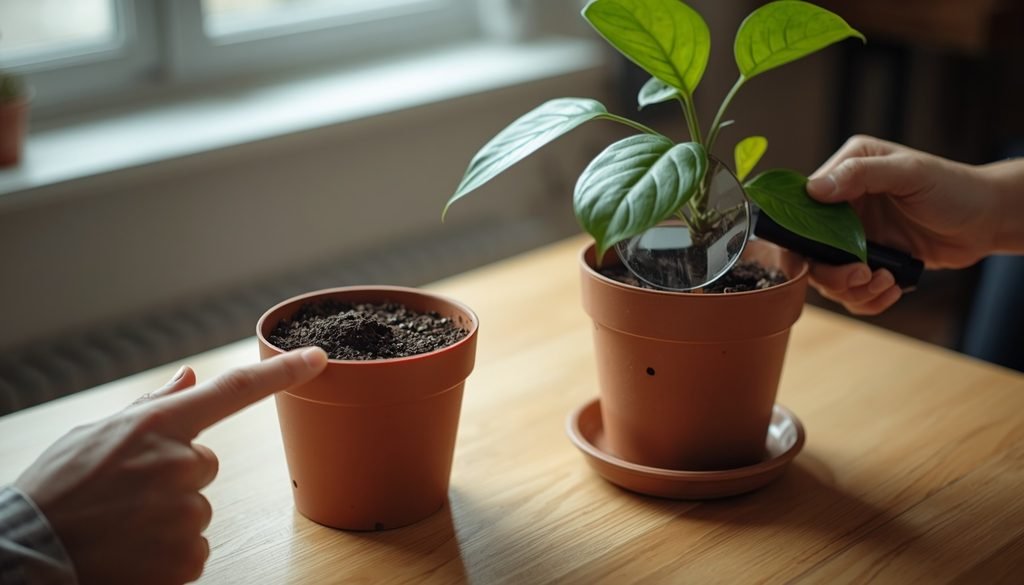
Pests drain sap and weaken plants over time. Inspect leaf undersides, stem joints, new growth, and the soil surface, ideally with a magnifying glass.
- Spider mites: fine webbing, speckled or dusty looking leaves.
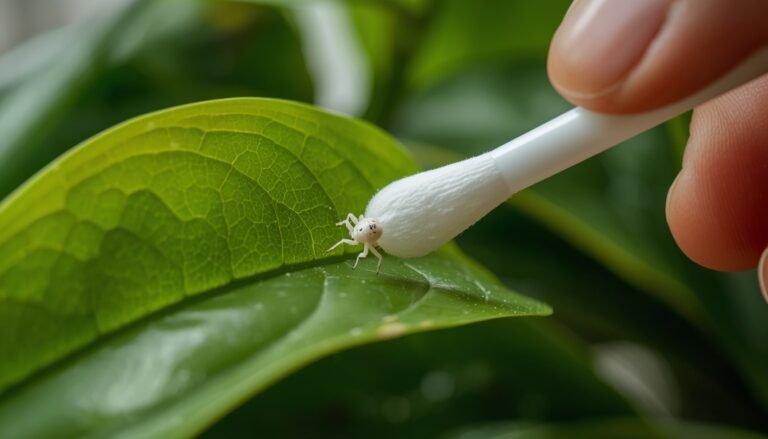
- Mealybugs: white, cotton like clusters on stems and leaf joints.
- Scale insects: small brown or tan bumps on stems and leaves, sometimes with sticky residue.
- Fungus gnats: small flying insects near the soil. The larvae live in damp mix and can harm roots.
- Fungal or bacterial problems: a fuzzy gray growth suggests gray mold, white dusting suggests powdery mildew, and dark spots with yellow edges can indicate a leaf spot disease. Poor airflow and constantly damp leaves make these more likely.
Isolate any plant you suspect, and check its neighbors. Small infestations can often be wiped or picked off, and the guide to getting rid of mealybugs is a useful next read if you see cotton like clusters. If you use a commercial product, follow the label for your plant and your region, and test on one leaf first. Treatments usually need repeating, so one pass is rarely enough.
Nutrient Deficiencies and Excess Fertilizer
Plants in the same pot for a long time can use up the nutrients in the mix, and slow growth with pale leaves may point to this. But yellow leaves do not automatically mean a plant needs fertilizer. Watering problems, root damage, and unsuitable pH can all stop roots from taking up nutrients.
Too much fertilizer is also a real cause of decline. Salts build up in the mix and can burn leaf tips and edges, often leaving a white crust on the soil or pot. Follow the label dose, feed mostly during active growth, and flush the pot with water occasionally so that salts do not accumulate.
Transplant Shock and Sudden Environmental Changes
Moving a plant, repotting it, or bringing it home can trigger leaf drop. This is a common first reaction to stress, especially when light, humidity, or temperature changes. It is also common when plants that spent summer outdoors are brought inside, because indoor light is weaker and the air is drier.
Keep care steady and avoid piling on new changes. Many plants slowly adapt, although recovery time varies by species, season, and severity.
Natural Aging and Seasonal Dormancy
A few older, lower leaves yellowing and dying now and then is normal. Many plants also slow down in winter and need less water and no heavy feeding. The concern is widespread or fast decline: several leaves at once, new growth failing, or stems softening.
Why Several Indoor Plants Die at the Same Time
If you ask why are all my plants dying at the same time, look for what they share before treating each plant on its own. Possible shared causes include:
- A change in your watering routine, such as watering everything on the same schedule.
- A cold spell, a heat wave, or a heating system switched on for the season.
- Shorter days and weaker winter light.
- The same bag of potting mix, or the same watering method, applied to all pots.
- Pests spreading between plants that touch or sit close together.
- Reused pots or unclean tools passing problems from one plant to another.
- Poor drainage across several pots, for example when all sit in saucers that are never emptied.
- A recent move or a change in the room, such as new curtains, a new heater, or a closed window.
Write down what changed in the last month, then compare the affected plants with any that are still healthy. The difference between the two groups often points to the cause. Do not assume all plants share one cause, though. A pest may be hitting one plant while dry air harms another.
A Practical Diagnosis Guide
Work through these steps in order and stop when you find a likely cause.
- Check soil moisture below the surface.
Push a finger in a few centimeters or lift the pot. This is useful for almost every case and costs nothing. - Confirm the pot drains.
Look for drainage holes, empty saucers and decorative covers, and check that holes are not blocked. - Inspect the roots when needed.
If the plant keeps wilting despite correct moisture, or the base is soft or smells bad, slide it out gently. Skip this step for plants with a clear and simple explanation, such as scorch after a day of direct sun, because disturbing roots adds stress. - Examine leaves and stems.
Use a magnifying glass for pests, spots, mold, and decay, including leaf undersides. - Review recent changes.
Think about light, temperature, location, watering, repotting, and fertilizer over the past month. - Identify the species and confirm its needs.
Care for a snake plant differs greatly from care for a fern. If you cannot identify the plant, a photo shared with a local nursery or plant society can help. - Fix the most likely problem first and monitor.
Changing many things at once makes it impossible to tell what helped.
How to Tell Similar Symptoms Apart
Use combinations of signs, not one clue alone.
Overwatering versus underwatering
| Observation | More Consistent with Overwatering | More Consistent with Underwatering |
|---|---|---|
| Soil | Stays wet, may smell musty | Very dry, pulls from pot edge |
| Pot weight | Heavy | Very light |
| Wilting | Yes, with moist soil | Yes, with dry soil |
| Yellowing | Old and new leaves together | Oldest leaves first |
| Roots | Brown, soft, mushy | Dry, but often still firm |
| Other | Stem rot, mold, fungus gnats | Crispy edges, flowers dropping fast |
Why Are My Indoor Plants Dying?
Low light versus nutrient deficiency
| Observation | Low Light | Nutrient Deficiency |
|---|---|---|
| Growth shape | Stretched, leaning toward window | Small leaves, slow growth, but compact |
| Color | Pale or dull overall | Yellowing in a pattern (e.g., older leaves first or new leaves with green veins) |
| Context | Dim spot, winter | Same pot for years, no feeding |
| Test | Compare with a brighter location | Review feeding history and pot age |
Low humidity versus watering problems
| Observation | Low Humidity | Watering Problem |
|---|---|---|
| Pattern | Brown tips and edges on many leaves | Yellowing, wilting, or soft patches |
| Soil | Normal moisture | Too wet or too dry |
| Timing | Worse when heating is on | Follows watering habits |
| Plant type | Tropical foliage plants | Any plant |
Root rot versus temporary wilting
| Observation | Root Rot | Temporary Wilting |
|---|---|---|
| Recovery after watering a dry plant | No improvement, or decline | Perks up within hours or a day |
| Soil | Wet for days | Dry |
| Stem base | May be soft or dark | Firm |
| Roots | Brown or black, soft | White or tan and firm |
Pest damage versus environmental damage
| Observation | Pest Damage | Environmental Damage |
|---|---|---|
| Visible signs | Insects, webbing, sticky residue, cotton-like clusters | None |
| Distribution | Often starts on one plant or on new growth, then spreads | Often affects the side facing a window, vent, or draft |
| Spread | Moves to neighboring plants | Stays tied to the specific location/environment |
The Sugar Water Myth
Sugar water is not an appropriate general remedy for dying indoor plants. Plants make their own sugars through photosynthesis, so adding sugar to the soil does not replace light, repair damaged roots, improve drainage, or correct a confirmed nutrient deficiency. Sugar can also feed microbes and gnats in the mix. If your plant is struggling, correct the underlying problem instead of adding sugar.
Home Remedies: What to Be Careful With
Many online lists recommend cinnamon, coffee grounds, banana peels, hydrogen peroxide, or dish soap. None of these is a universal treatment, and the evidence for them as plant rescue methods is limited.
- Cinnamon: sometimes sprinkled on cuts as a mild antifungal. It does not cure root rot, and it does not replace removing rotted tissue and fixing drainage.
- Coffee grounds and banana peels: these are not reliable fertilizers when used fresh in pots. They can stay damp, attract gnats, or grow mold.
- Hydrogen peroxide: some growers use dilute solutions on the soil, but it can harm roots if too strong, and it does not address the cause of rot.
- Dish soap: household detergents can damage leaf surfaces. If you need a soap based pest treatment, choose a product made for plants and follow its label.
The RHS recommends non chemical control first for houseplant pests and diseases, and it advises focusing on light, watering, and suitable potting mix before adding feeds or controls.
How to Save a Dying Indoor Plant
There is no single trick to revive a dying plant. A careful sequence works better than many quick fixes. Recovery time varies by species, season, severity, and growing conditions, and some plants cannot be saved.
Step 1: Isolate the plant if pests are suspected
Move it away from other plants, and check its neighbors. Leave it apart until you have found and treated the problem.
Step 2: Check the soil before watering
Check moisture below the surface. A fixed schedule, such as every week, can fail because light, season, pot size, and plant type all change water use. Water when the plant needs it, and let water drain freely.
Step 3: Inspect drainage and roots when necessary
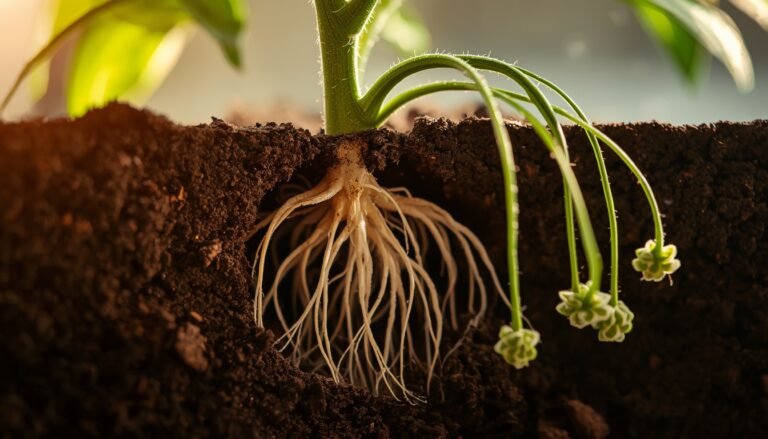
If the plant keeps wilting, smells bad, or has a soft stem base, take it out of the pot. Healthy roots are generally firm and pale, though color varies by species. Severely damaged roots are brown or black, soft, and may smell. Roots that are only a little damaged can be saved, but a plant with almost no healthy roots has a poor chance.
Step 4: Correct the identified environmental problem
Adjust one main factor at a time: water more or less, move the plant to brighter or shadier light, shield it from drafts, or raise humidity if it is a humidity loving species. Match changes to the species.
Step 5: Prune only tissue that needs removal
Cut off mushy, moldy, shriveled, completely brown, or completely yellow leaves and stems, because they will not recover. Keep mostly green leaves, which still feed the plant while new growth forms. Use clean, sharp tools.
Step 6: Repot only when justified
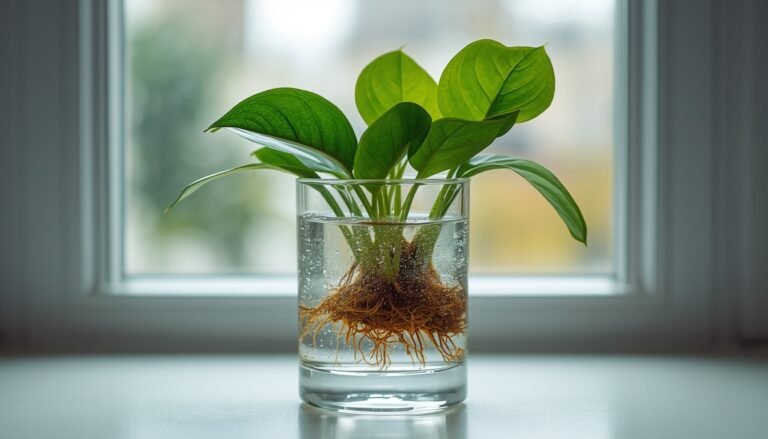
Repot when roots are rotten, the mix is soggy or compacted, the pot has no drainage, or the plant is badly root bound. Remove rotted roots, use fresh, free draining mix suited to the plant, and choose a pot with drainage holes that is only slightly larger. If a plant is too far gone, healthy stems may be propagated. The guides to propagating pothos and snake plants show how to start new plants from healthy parts.
Step 7: Delay unnecessary fertilizer
A stressed plant with damaged roots cannot use fertilizer well, and extra salts can add stress. Wait for signs of new growth before feeding lightly.
Step 8: Monitor the plant’s response
For the first few days, check soil moisture and watch whether wilting, leaf drop, or spots are spreading. Over the following weeks, look for firm new growth. Slow progress is normal. If the plant continues to worsen after you have fixed the likely cause, review the diagnosis again.
What Not to Do When Saving a Dying Plant
- Do not water a wilted plant again and again without checking the soil.
- Do not repot unless there is a reason to.
- Do not fertilize a plant with damaged roots.
- Do not move a stressed plant into sudden intense sun.
- Do not apply several remedies at the same time.
- Do not use a deep decorative pot that traps water around the nursery pot.
Different Plants Need Different Care
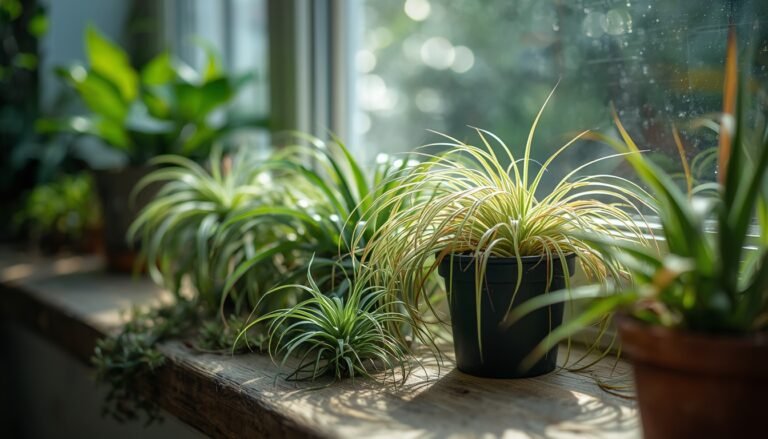
Light, watering, soil, and humidity needs vary widely among species. Snake plants, for example, tolerate drying out far better than they tolerate soggy soil, so see the snake plant root rot guide and the guide on how often to water a snake plant if yours is struggling. Air plants (Tillandsia) have no soil at all and need a completely different approach, so follow the air plant watering guide if that is what you are trying to save.
When to Give Up on a Plant
Some plants cannot be saved. If the stem is soft throughout, the roots are almost all rotten, or the plant has a systemic virus (often shown by mottled or ring spotted foliage), discarding it may protect your other plants. Even then, healthy cuttings may be worth rooting.
Prevention: Stop the Problem From Coming Back
- Learn each plant’s name and its needs.
- Water by checking moisture, not by the calendar.
- Use pots with drainage holes and free draining mix.
- Place plants in light that suits them, and adjust for the seasons.
- Keep plants away from drafts and heat sources.
- Check new plants for pests before they join your collection.
- Feed lightly during active growth, not in winter.
Frequently Asked Questions
How do you revive a dying indoor plant?
Find the cause first, then correct it. Check soil moisture, drainage, and roots, adjust light, water, or temperature, and remove only dead tissue. Avoid fertilizing a damaged plant. Recovery depends on the species, the season, and how much healthy root remains, so results vary.
Why are all my houseplants suddenly dying?
Look for a shared cause. A change in watering, a cold draft, weaker winter light, or pests spreading between plants can affect several plants at once. Compare the sick plants with any healthy ones, and note what changed in the last few weeks.
What does an overwatered plant look like?
An overwatered plant often has yellow leaves, wilting despite wet soil, soft stems, and sometimes a musty smell. Roots that are brown and mushy are a strong sign of rot. Underwatering can look similar, so check the soil and roots before deciding.
Why are plants dying in my house spiritual meaning?
Some cultural and spiritual traditions see dying plants as a sign of change, transition, or the energy of a space. These are personal interpretations, not scientifically established causes. For plant health, check practical factors such as watering, light, temperature, drainage, and pests.
Why is my plant dying even though I am watering it?
Watering may be the cause. Too much water can damage roots so they cannot take up water, which makes the plant wilt. Poor drainage, an oversized pot, low light, or pests can also cause decline. Check the soil and roots before watering again.
Can sugar water save a dying plant?
No, sugar water is not a reliable remedy. Plants make their own sugar from light, so sugar does not fix root damage, poor drainage, low light, or a nutrient problem. It can also encourage gnats and microbes in the mix. Treat the underlying cause instead.
How can I tell whether my indoor plant is dead or dormant?
Check the stems and roots. Firm, flexible stems and pale, firm roots suggest the plant is alive, even if it looks bare. Dry, brittle stems and roots that crumble suggest it is dead. Some plants drop leaves in winter, so wait before discarding.
How long does it take a dying houseplant to recover?
Recovery time varies. Some plants improve within days after a simple fix, while others need weeks or months to produce new growth. Watch for firm new growth as the best sign. Severe root loss may mean the plant does not recover.
Should I cut off yellow leaves from a dying plant?
Cut off leaves that are completely yellow, brown, mushy, or moldy, because they will not recover. Keep leaves that are still mostly green, since they continue to feed the plant while new growth forms. Use clean, sharp tools.
Can a plant recover from root rot?
Sometimes. If healthy roots remain, removing the rotted roots, repotting into fresh free draining mix, and fixing drainage may help. A plant with almost no healthy roots has a poor chance, but healthy stem cuttings can sometimes be rooted.
Why are my outdoor plants dying?
This guide covers indoor plants. Outdoor plants face other causes, such as weather, soil, sun exposure, and local pests, so the same checks for watering, drainage, and pests are a start, but a separate diagnosis is usually needed.
Final Thoughts
Asking why are my indoor plants dying is the first step toward a fix. Start with the soil and the drainage, then look at light, leaves, and recent changes. Make one considered change at a time, and give the plant time to respond. Your next action: pick the plant that worries you most, check its soil below the surface today, and work through the diagnosis guide above.