How to Fix an Overwatered Plant: Help & Recover (Guide 2026)
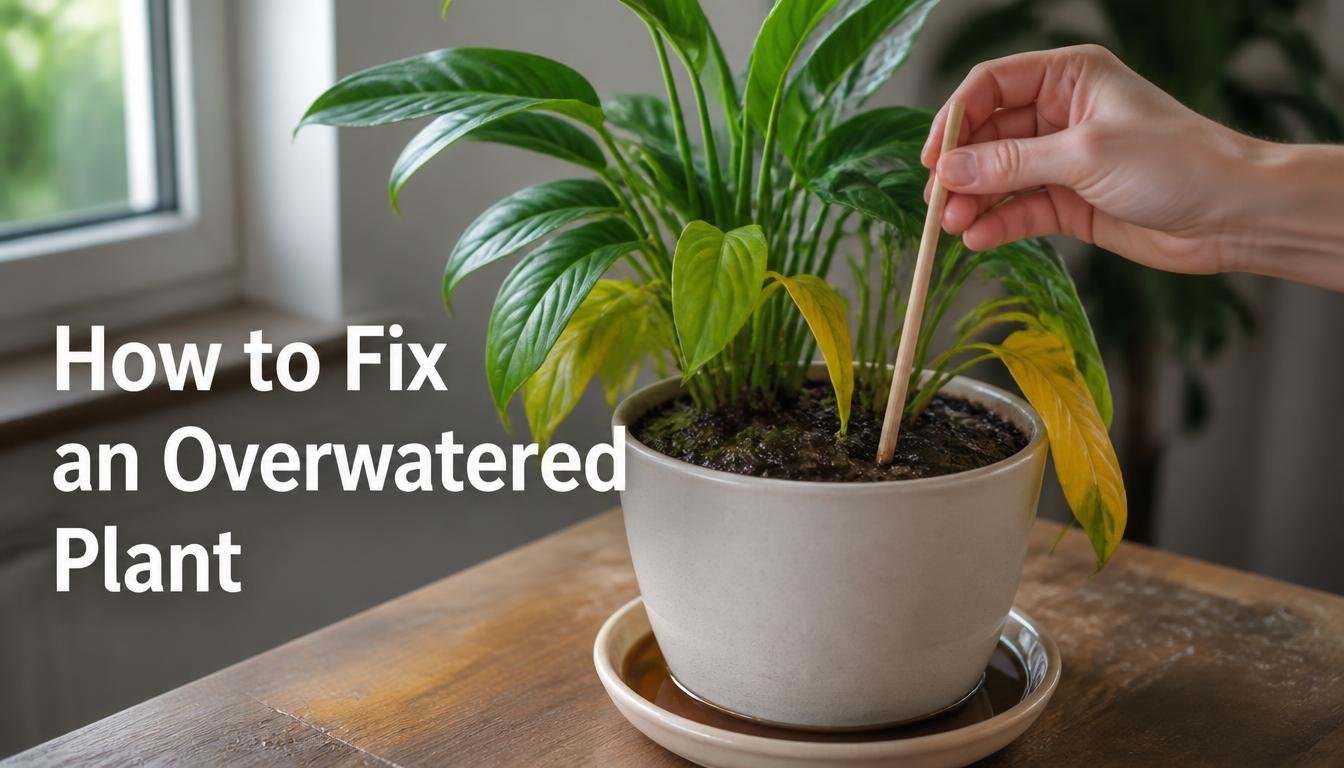
A drooping plant in wet soil is easy to misread. Many people reach for the watering can, and that reaction often makes things worse. If you are wondering how to fix an overwatered plant, the first move is to stop adding water, let air return to the root zone, and check whether the roots are still firm.
How to Fix an Overwatered Plant Fast
To fix an overwatered plant, stop watering immediately, confirm the soil is wet below the surface, and ensure proper pot drainage. Allow the soil mix to dry, inspect roots for rot if symptoms persist, trim mushy roots, and repot only when necessary.
Is Your Plant Actually Overwatered? A Quick Diagnostic Table
No single symptom proves overwatering. Yellow leaves, drooping, and leaf drop can also come from drought, low light, temperature changes, pests, or poor nutrition. Use the table below as a starting point, then confirm by checking the soil and, if needed, the roots.
| Symptom | Likely Cause | What to Do |
|---|---|---|
|
Warning Yellowing leaves, often older or lower ones first |
Overwatering is one possibility. Natural aging, low light, nutrient problems, and earlier drought are others. | Check moisture deep in the pot and confirm the pot drains before changing anything else. |
|
High Risk Drooping leaves with wet soil |
Roots may be damaged or short of oxygen, so they cannot supply water to the leaves. | Do not water. Improve drainage and inspect the roots if there is no improvement. |
|
Underwatered Drooping leaves with dry, light soil |
Underwatering is more likely. | Water thoroughly, then watch whether the plant perks up. |
|
Critical Brown, soft, or water-soaked leaves / stems |
Excess moisture and rot are possible. Cold damage and disease can look similar. | Remove clearly rotten parts with clean tools and check the stem base and roots. |
|
Soil Issue Soil stays wet for many days |
Poor drainage, dense mix, an oversized pot, low light, or cool conditions slowing drying. | Check drainage holes, saucer, pot size, and mix. Improve light and airflow. |
|
Rot Sign Sour or musty smell from the soil |
Low oxygen conditions and possible root decay. | Inspect the roots. Refresh the mix if the smell persists. |
|
General Stress Leaf drop |
Many causes, including overwatering, underwatering, drafts, and sudden light changes. | Compare with soil moisture and recent changes in the plant’s environment. |
|
Root Rot Mushy, brown, or black roots |
Likely root rot. | Trim damaged roots and repot into fresh mix. |
|
Stalled Slow or stalled growth |
Stressed roots, low light, season, or nutrition. | Check moisture first. Inspect roots only if other warning signs are present. |
Surface mold, algae, or tiny flies around the pot often point to a mix that stays wet, but they do not prove that roots are damaged. Small water droplets on leaf edges (guttation) can appear when roots have plenty of water, yet they are not a diagnosis by themselves.
How Do Plants Get Overwatered?
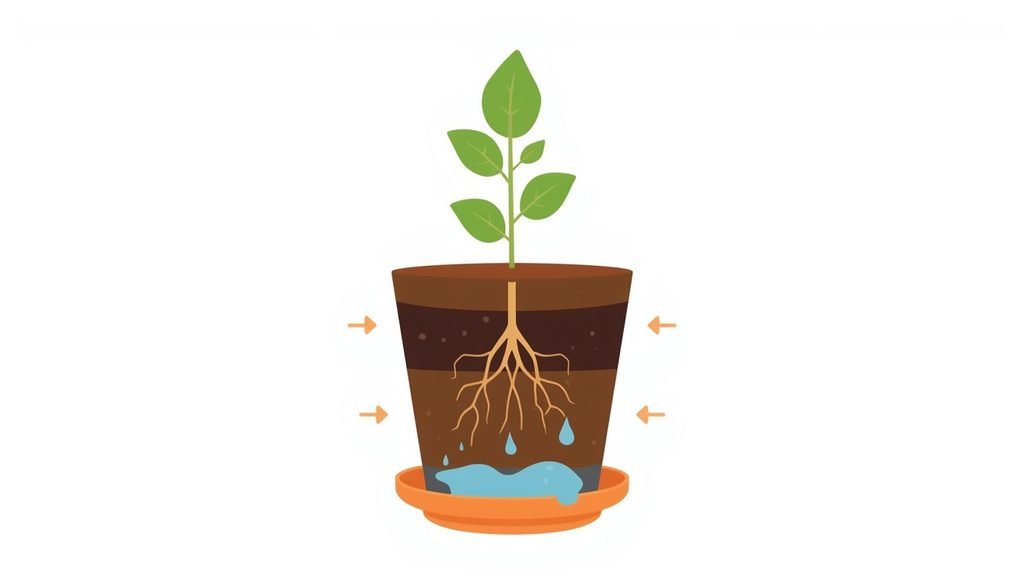
Overwatering is less about how much water a plant receives at once and more about how long the root zone stays saturated. Roots need oxygen. When a container stays full of water, the surplus displaces the oxygen roots depend on, and roots can die as a result. A plant can be overwatered with frequent small drinks just as easily as with one big soak.
Common causes include:
- Watering on a fixed schedule instead of checking the mix first.
- No drainage hole, or a hole blocked by roots or compacted mix.
- Water left in the saucer or in a decorative outer pot.
- A pot that is too large. Extension educators note that plants in pots too big for their root system struggle to use all the water the mix can hold.
- Dense or compacted mix that holds water and leaves little room for air.
- Low light, cool rooms, or winter dormancy. Plants use less water when growth slows. One Montana extension publication notes that houseplants in a dark northern winter can go a week or two between waterings.
- Light, frequent sprinkling. This keeps the upper mix damp and encourages shallow roots.
Outdoors, the causes shift to heavy rain, clay soil, compaction, and overlapping irrigation.
Overwatering vs Underwatering: How to Tell the Difference
Both problems cause wilting, which is why people treat the wrong one. The mix and the roots usually settle the question.
| Feature / Sign | 💧 Overwatering | 🌵 Underwatering |
|---|---|---|
| Soil Moisture | Stays wet or damp deep in the pot for many days. The pot feels heavy. | Dry through most of the pot. The pot feels light. |
| Leaves | Yellowing, limp, or soft. Brown patches may feel soft or water-soaked. | Dry, crisp edges or tips. Leaves look dull, curled, or papery. |
| Stems | Soft, mushy, or darkened near the soil line. | Thin or wrinkled in some plants, but firm and not slimy. |
| Roots | Mushy, brown to black, or slimy, sometimes with a sour smell. | Dry, brittle, and thin, without a rot smell. |
| Recovery After Watering | Does not perk up and may decline further. | Often perks up fairly soon after a thorough soak. |
| Soil Condition | May be compacted, mossy, or moldy on top. May smell sour. | May shrink away from the pot edge and repel water at first. |
How to Check Soil Moisture Properly
- Go Deep: Push a wooden skewer or your finger deep into the mix—not just into the top inch.
- Feel the Weight: Lift the pot to gauge its weight. A heavy pot usually means moisture is trapped below.
- Test Multiple Spots: Check in more than one area to get an accurate moisture reading across the root zone.
Both problems can also occur in the same plant. Extension educators describe a pattern where a plant dries out until roots die, then receives heavy watering in an attempt to rescue it. The damaged roots cannot take up that water, and more roots suffer from lack of oxygen. This is why a consistent routine matters more than a dramatic rescue.
Excess fertilizer can also produce blackened leaf edges that look much like overwatering damage, so keep that possibility in mind.
Step by Step: How to Fix an Overwatered Plant
Step 1: Stop Watering Temporarily
- What to do: Hold off on watering. Empty any water from the saucer or decorative outer pot.
- Why it matters: Saturated mix keeps oxygen away from the roots. More water extends that problem.
- Mistake to avoid: Watering because the leaves droop. Root rot often starts with wilting that is easily mistaken for thirst, so check the roots and the mix before adding more water.
Step 2: Check Soil Moisture
- What to do: Push a wooden skewer to near the bottom of the pot. If it comes out dark with damp mix clinging to it, the lower pot is still wet. Compare the pot’s weight with how it feels after the mix has dried.
- Why it matters: After a pot drains, a band of saturated mix typically remains near the base, known as a perched water table. The surface can look dry while the roots sit in wet mix.
- Mistake to avoid: Judging moisture by the surface alone.
Step 3: Inspect the Pot and Drainage
- What to do: Confirm there is at least one open drainage hole and clear any blockage. Remove the plant from decorative outer pots. Compare the pot size with the root ball and feel whether the mix is dense or compacted.
- Why it matters: A pot that holds more mix than the roots can use stays wet far longer than a snug pot.
- Mistake to avoid: Relying on a layer of gravel at the bottom of the pot as a fix. Research on drainage layers is mixed, so do not count on it. A freely draining mix throughout the pot and open drainage holes are more dependable.
Step 4: Determine Whether the Plant Needs Repotting
- What to do: Use the repotting section below. If the pot drains well and the plant is mildly affected, drying in place may be enough. If the mix stays saturated, smells sour, or the plant keeps declining, repotting becomes more appropriate.
- Why it matters: Repotting helps when the root zone is the problem, but it also disturbs roots that are already stressed.
- Mistake to avoid: Repotting out of habit, or moving into a much larger pot.
Step 5: Inspect the Roots if Repotting Is Necessary
- What to do: Tip the pot, support the base of the plant, and slide the root ball out. Loosen the mix gently. A light rinse with lukewarm water can make roots easier to assess.
- Why it matters: Healthy root tissue is firm, white, and shows many fine feeder roots, while rotted roots are mushy and brown or reddish.
- Mistake to avoid: Pulling the plant out by the stem, or judging by color alone. Some plants naturally have tan, orange, or darker roots, so firmness and smell matter as much as color.
Step 6: Remove Clearly Damaged Roots When Appropriate
- What to do: Use clean, sharp scissors to cut away roots that are mushy, slimy, or fall apart when touched. Cut back to firm tissue and clean the blades between cuts. Leave firm roots in place.
- Why it matters: Dead roots no longer work, and decaying tissue can keep problems going. Extension guidance is to trim brown or black roots and repot into a container just large enough for the smaller root system.
- Mistake to avoid: Cutting healthy roots, or leaving soft patches behind. If most of the roots are lost, some growers lightly trim foliage to match the smaller root system, but evidence for this is limited, so keep it conservative.
How to Fix an Overwatered Plant?
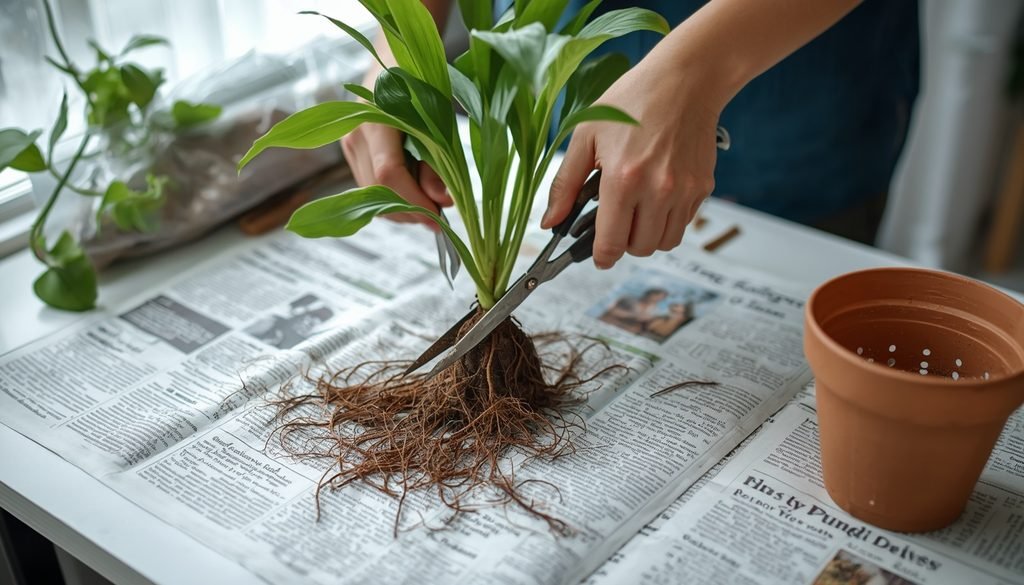
Step 7: Use an Appropriate Fresh Potting Mix
- What to do: Use a clean pot with a drainage hole that fits the remaining roots with a little space to grow. Fill with fresh, well drained mix suited to the species. Firm it lightly rather than packing it down. Discard the old mix from a plant with rotted roots instead of reusing it.
- Why it matters: Dense or already soggy mix recreates the original problem.
- Mistake to avoid: Using garden soil in a container, or choosing a pot far larger than the roots need.
Step 8: Place the Plant in Suitable Light and Airflow
- What to do: Provide the light level the species prefers, usually bright indirect light for common houseplants. Keep the room at a steady temperature with gentle air movement, away from cold drafts and heating vents.
- Why it matters: Light and warmth drive water use, and airflow helps the mix dry evenly.
- Mistake to avoid: Moving a stressed plant into harsh midday sun or next to a heater to dry it quickly.
Step 9: Resume Watering Only When the Plant and Mix Indicate It Is Appropriate
- What to do: Water again when the mix has dried to the level the species prefers. Succulent type plants generally want the mix mostly dry, while moisture loving plants prefer it slightly damp. When you do water, apply enough that excess seeps from the drainage holes, then empty the saucer. For drought tolerant plants such as snake plants, a guide on how often to water a snake plant shows how widely watering gaps can differ from typical houseplants.
- Why it matters: Thorough, less frequent watering encourages deeper roots, while light, frequent watering keeps the top damp and roots shallow.
- Mistake to avoid: Returning to a calendar schedule before the plant and mix show that it is time.
Step 10: Monitor Recovery
- What to do: Check every few days for firmer stems, no new yellowing, a pleasant earthy smell, and new growth. Remove leaves that are fully dead. Hold off on fertilizer until new growth appears, since damaged roots cannot use it well.
- Why it matters: Damaged leaves rarely recover. New growth is the most reliable sign that roots are working again.
- Mistake to avoid: Changing light, soil, and watering all at once, which makes it impossible to see what is helping.
How to Dry Out an Overwatered Plant Safely
Drying wet soil is a matter of removing water the plant cannot use and giving the remaining moisture a path to leave. These methods run from least to most disruptive:
- Let excess water drain.
Remove water from saucers and cachepots. Supporting the plant, tilt the pot briefly so water can leave through the drainage hole. - Uncover the surface.
Remove decorative stones, moss, or bark so the top of the mix can evaporate. - Loosen a crusted surface gently.
If the top is hard and compacted, a fork or chopstick can break it up. Avoid areas where roots grow close to the surface. - Improve airflow.
Open a window nearby or run a small fan on low, aimed to circulate air in the room, not blast the plant. - Place in bright indirect light.
Appropriate to the species, away from heaters and cold drafts. - Consider a wick (optional).
Some growers push a strip of absorbent cloth into a drainage hole to draw water out of the lower pot. The evidence is limited, and this does not replace good drainage.
Avoid hair dryers, heaters, and leaving a root ball exposed to open air for long periods, since roots can dry out and be injured. For outdoor containers, move them under cover before more rain arrives.
Does an Overwatered Plant Need Repotting?
Not always. Repotting removes the wet mix and gives you a chance to inspect roots, but it also disturbs a plant that is already stressed. Use these signals to decide.
| Plant Condition / Situation | Repotting Suggestion | Reason |
|---|---|---|
| Pot drains freely, mix is airy, symptoms are mild | Probably Not | Fewer disturbances for stressed roots. Dry in place. |
| Mix stays saturated many days after watering | Likely Yes | The mix may be too dense, or the pot too large. |
| Soil smells sour or musty and persists | Likely Yes (Root Check) | Suggests low oxygen and possible root decay. |
| No drainage hole | Yes (Immediate) | Water has nowhere to go. Move to a pot with drainage. |
| Mix is compacted or crusted solid | Likely Yes | Compacted mix holds water and limits air. |
| Pot is much larger than the root ball | Downsize Pot | Extra mix holds water the roots cannot use. |
| Leaves keep declining, stems feel soft, or roots mushy | Yes (Inspect & Trim) | Root damage cannot be assessed without looking. |
| Plant looks stable and mix is drying at a normal pace | Not Needed | Recovery is already underway. |
When Repotting Is Unnecessary
Repotting may be completely unnecessary if all of the following criteria are met:
- The overwatering was an isolated, one-time occurrence.
- The pot is a suitable size and features open drainage holes.
- The potting mix is well-aerated, loose, and drains quickly.
- The plant shows no signs of soft stems, rotten foliage, or foul odors.
When Repotting Becomes Necessary
Repotting becomes the safer and more appropriate choice when you observe any of the following critical signs:
- Saturated Mix: The potting soil stays soggy and wet for many days after watering.
- Poor Drainage: The container lacks proper drainage holes or water fails to pass through freely.
- Root Damage: Roots show signs of root rot (mushy, dark brown, or slimy texture).
- Persistent Odor: The soil produces a persistent sour, musty, or rotten smell.
- Continued Decline: The plant continues to droop, turn yellow, or drop leaves despite correct watering adjustments.
Root Rot: What It Is and What to Do
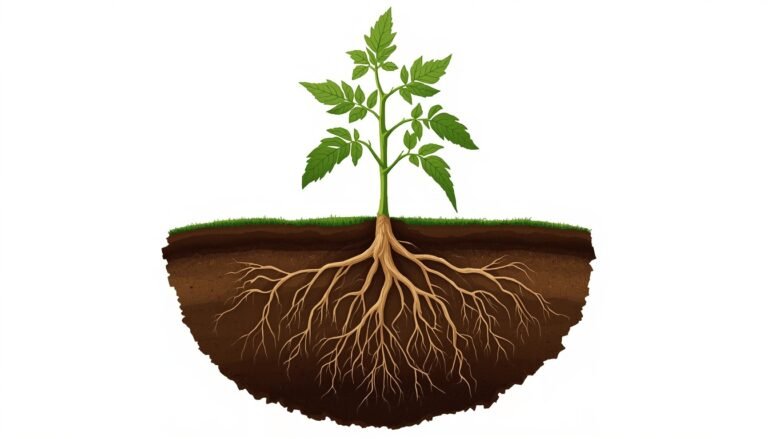
Root rot is a group of diseases caused by several fungal and fungus like organisms, including Pythium, Phytophthora, Rhizoctonia, and Fusarium. These organisms thrive in wet, poorly drained mix and infect stressed or weakened plants. Constantly wet mix contributes because it limits oxygen, which weakens roots and gives these organisms an advantage.
Healthy vs Damaged Roots
| Feature | 🌱 Healthy Roots | ⚠️ Damaged Roots |
|---|---|---|
| Firmness | Firm and slightly springy | Soft, mushy, or slimy |
| Color | Usually white, cream, or tan (varies by species) | Brown, black, or reddish |
| Outer Layer | Intact | Outer tissue may slide off, leaving a thin inner core |
| Smell | Fresh and earthy | Sour, musty, or rotten |
| Fine Feeder Roots | Present | Few or absent |
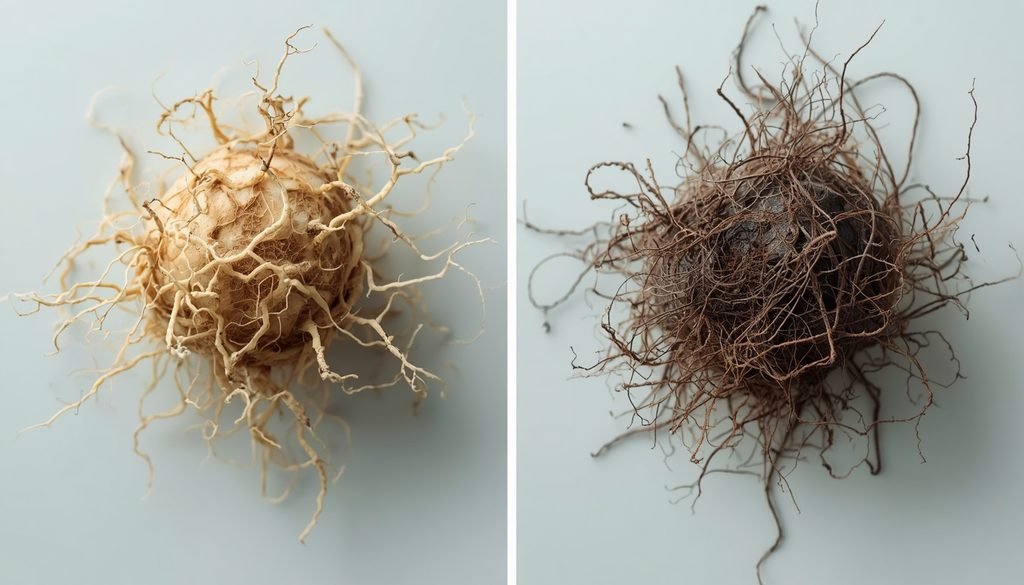
Extension sources note that rotted roots are black or brown, and the outer tissue often strips away easily.
Warning Signs
Wilting that starts on lower leaves and works upward, yellowing, stunted growth, wet soil that never dries, and a sour smell can all suggest root trouble. The only way to confirm it is to look at the roots.
What to Do If You Find Root Damage
Follow Steps 5 to 7 above: trim damaged roots back to firm tissue, discard the old mix, and repot into a clean pot with fresh, well drained mix. Fungicides are sometimes suggested, but availability for home use varies and they do not replace correcting moisture. If you use one, follow the label. Snake plants are a common example of a plant that suffers when the mix stays wet, and a dedicated guide to snake plant root rot covers that species in more detail.
When Recovery Is Possible and When the Plant May Be Too Damaged
Recovery is more likely when some roots remain firm and the stem base and crown are still solid. It becomes unlikely when all roots are mushy, or when the stem or crown is soft and rotting. Extension guidance is that severely damaged plants may need to be discarded.
If the upper part of the plant is still healthy, taking cuttings can be a way to save the plant itself. Some species can be started from a healthy leaf or stem section, and a guide to how to propagate a snake plant shows one example of that approach.
How to Fix an Overwatered Plant in a Pot
Potted plants depend entirely on the container’s drainage, so the pot and mix matter as much as watering habits.
- Confirm the drainage hole is open and the saucer is empty.
- Lift the plant out of decorative outer pots for watering, then let it drain before returning it.
- Check whether the pot is much larger than the root ball.
- Use a loose, well drained mix suited to the species.
- For outdoor containers in heavy rain, tilt or move them so water can leave, and remove trapped water.
- For self watering pots, check the reservoir. It should not keep the root zone wet constantly.
The best solution depends on the species and the condition of the roots, so use the step by step plan above as the base and adjust for the plant.
How to Fix an Overwatered Plant in the Ground
In garden soil, the cause is usually heavy rain, clay, compaction, or too much irrigation. The goal is to move water away from roots and avoid damaging the soil further.
- Pause irrigation and check whether the area drains slowly or pools.
- Divert water. University of California extension suggests digging ditches or furrows to move water away from plants.
- Stay off the soil. Walking or working wet soil compacts it and squeezes out air. Use boards to spread weight if you must cross it.
- Loosen compacted areas with a garden fork once the soil has dried enough to work.
- Keep mulch off stems and crowns so moisture does not collect against them.
- Water gently once the soil has dried, instead of resuming a full routine at once.
- Improve drainage over time with compost, raised beds, or plants that tolerate wet conditions.
Young seedlings have small root systems and react quickly to soggy soil. Keep the starting mix evenly moist rather than saturated. If overwatering has already caused soft, dark roots or a foul smell, use our root rot guide to understand the warning signs and recovery steps.
If produce has been touched by floodwater, extension guidance is that it may be contaminated and should be discarded. Plants that stood in waterlogged soil for long periods may not recover, which is why drainage improvements matter for the next season.
How to Fix an Overwatered Plant Growing in Water
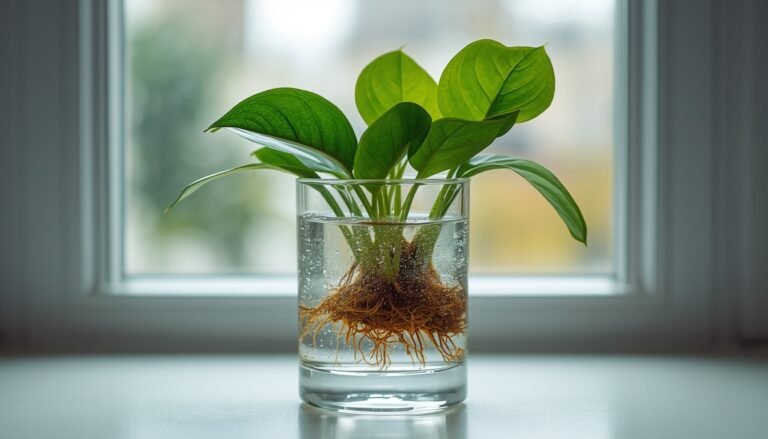
A plant grown in water, such as a cutting in a jar, can also suffer from a lack of oxygen. Signs include cloudy or foul smelling water, slimy roots, and soft stems at the waterline.
- Lift the plant out and rinse the roots under lukewarm running water.
- Trim slimy or mushy portions with clean scissors, cutting back to firm tissue.
- Wash the container with soap and water, then rinse it well.
- Refill with fresh water, keeping only the base or nodes submerged and the leaves above the water.
- Refresh the water regularly, and keep the container out of strong sun, which encourages algae.
If a cutting has rotted at the base, trim above the soft portion and try again. A guide on how to propagate pothos walks through starting cuttings in water. If your plant lives in a hydroponic or semi hydroponic system, follow that system’s own instructions, as oxygen and nutrient needs differ.
How to Save an Overwatered Plant Without Repotting
Repotting is not always the first answer, and in some cases it adds stress. You can often save a mildly overwatered plant without it:
- Stop watering and drain the saucer and outer pot.
- Remove decorative layers from the surface.
- Tilt the pot briefly so water can leave the drainage hole.
- Increase airflow and provide the light the species prefers.
- Check the mix with a skewer every few days instead of watering by schedule.
This approach works when the pot drains, the mix is loose, and there is no strong smell or soft stem. If the mix stays soggy, the smell continues, or the plant keeps declining, repotting becomes the safer choice.
How Fast Can an Overwatered Plant Recover?
There is no universal recovery time. Recovery depends on:
- plant species
- how severe the problem is
- how healthy the roots are
- the condition of the mix and drainage
- light and temperature
- airflow
- how quickly the problem was corrected
Plants that dry out in a warm, bright room may improve faster than plants in cool, dim conditions. Winter often slows everything, because growth and water use both drop.
Rather than counting days, watch for signs of improvement:
- the mix dries at a steady pace
- no new yellowing or leaf drop
- stems feel firmer
- the sour smell fades
- new leaves or roots appear
Leaves already damaged usually do not return to normal. Overwatered plants can recover without help in some cases, particularly after a one time soaking, as long as drainage is open, the roots are mostly intact, and the cause is removed.
7 Mistakes That Can Make an Overwatered Plant Worse
- Watering again because the leaves droop.
Wilting can come from roots that cannot take up water. Adding more water deepens the problem. - Keeping the plant in standing water.
Water in a saucer or cachepot keeps the lower mix saturated. - Using a pot without drainage.
Water has nowhere to go, so the mix stays wet. - Repotting unnecessarily.
This disturbs roots that are already stressed, and a much larger pot adds more mix to stay wet. - Using unsuitable soil.
Dense mix, garden soil, or reused mix from a rotted plant holds water and can carry problem organisms. - Placing a stressed plant in harsh conditions.
Strong sun, heat, cold drafts, or fertilizer can add stress to a plant with limited roots. - Ignoring root damage.
If decline continues, the roots need to be checked. Guessing from the leaves alone can mean losing time.
Plant Specific Context: Not Every Plant Wants the Same Water
Plants tolerate moisture differently. Succulents, cacti, and other drought tolerant plants generally need the mix to dry out between waterings, while plants that prefer consistently moist but well drained soil, such as many ferns and peace lilies, need a different approach. Moist does not mean wet: even moisture loving plants need air around their roots.
Snake plants, ZZ plants, and succulents store water in their leaves or rhizomes and are generally more sensitive to constantly wet mix than to dry spells. Varieties such as the Moonshine snake plant fit this pattern.
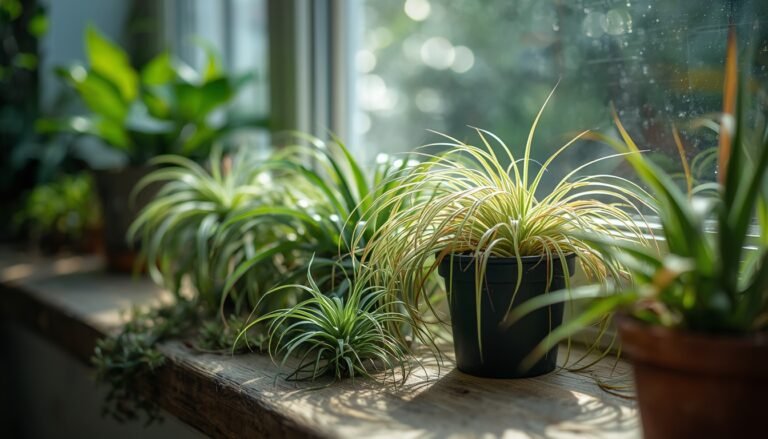
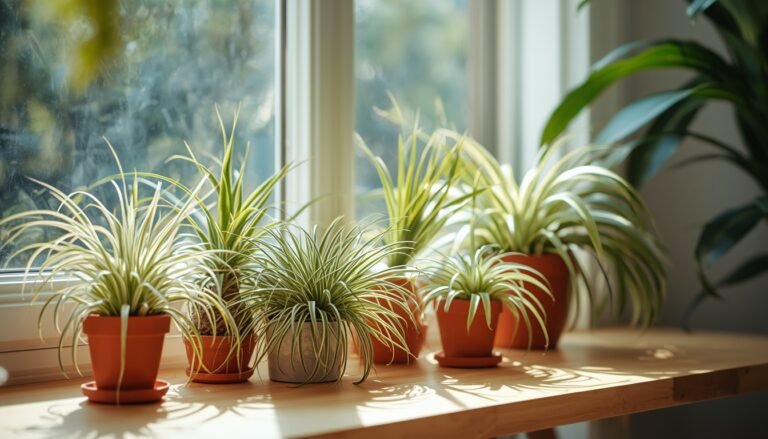
Air plants (Tillandsia) are a special case because they grow without soil. They can still rot if water stays trapped between their leaves, so they need to dry reasonably quickly after watering. A guide on how to water air plants covers the routine in detail.
If you are unsure what your plant prefers, look up its specific care needs before assuming the same rules apply.
How to Stop Overwatering From Happening Again
- Check the mix with a skewer or your finger before every watering.
- Water thoroughly until it drains, then empty the saucer.
- Choose pots with drainage holes and a size that suits the root ball.
- Use a mix that matches the plant’s needs.
- Water less in winter or low light, when growth slows.
- Group plants with similar water needs, so one routine does not suit only some of them.
Frequently Asked Questions
Can a plant recover from overwatering?
Yes, many plants can recover from overwatering if the roots are still mostly firm. Recovery depends on how long the mix stayed saturated, the species, and whether root rot has started. Plants with soft stems or mostly mushy roots have a lower chance, while mildly stressed plants often improve once drainage and watering are corrected.
How do I dry out my overwatered plant?
Stop watering, empty the saucer, and let excess water leave through the drainage holes. Move the plant to bright indirect light with gentle airflow, and remove any decorative layer that traps moisture on the surface. Check the mix with a skewer. Repot into fresh, well drained mix if it stays saturated or smells sour.
How do I save a plant that was in soil that was too wet?
Take the plant out of the wet mix if it stays soggy, inspect the roots, and trim any that are mushy or slimy. Repot into a clean pot with drainage holes and fresh, airy mix sized to the remaining roots. Water only when the mix has dried to the level the species prefers.
How do plants get overwatered?
Plants get overwatered when the root zone stays saturated longer than the roots can tolerate. Common causes include watering on a fixed schedule, pots without drainage, water left in saucers, oversized pots, dense mix, and low light or cool conditions that slow drying. Frequent small waterings can cause the same problem.
Can I put an overwatered plant in the sun to dry it out?
Usually not. Sudden strong sun can scorch leaves on a plant that already has stressed roots, and the roots may not keep up with the water loss. Bright indirect light and gentle airflow are safer for most houseplants. Only species that normally enjoy full sun should be moved toward brighter light gradually.
Should I repot an overwatered plant right away?
Not always. Repot promptly if the mix stays saturated, smells sour, or the plant keeps declining, and inspect the roots at that point. If the pot drains well and symptoms are mild, letting the mix dry in place avoids extra root disturbance. Make the decision from the mix and root condition, not the leaves alone.
When should I water again after overwatering?
Water again when the mix has dried to the level that suits the species, not on a set date. Succulent type plants usually need the mix mostly dry, while moisture loving plants prefer it slightly damp. Test with a skewer and lift the pot to judge weight. Then water thoroughly and empty the saucer.
Will yellow leaves turn green again?
Usually not. Leaves that have turned fully yellow rarely regain their green color. Removing them is fine once they are loose or clearly dying. Judge recovery by new growth, firm stems, and no further yellowing, because the plant is more likely to replace damaged leaves than repair them.
How can I tell overwatering from underwatering?
Check the mix first. Drooping leaves with wet mix point toward overwatering or root damage, while drooping with dry, light mix points toward underwatering. Dry plants usually perk up soon after a thorough watering, while plants with damaged roots may stay limp. Wet mix with a sour smell strengthens the case for root trouble.
Can I save a plant in a pot with no drainage holes?
Often yes, but the pot is a risk. Move the plant into a pot with drainage holes, or use the original as a decorative outer pot and lift the plant out to drain after each watering. Water in small, measured amounts if a pot must stay hole free, and monitor closely.
Conclusion
Start by stopping watering and checking how wet the mix is below the surface, along with the drainage. Inspect the roots when the mix stays soggy, smells sour, or the plant keeps declining. Repot when drainage is poor, the mix is compacted, or the roots are damaged, and leave a mildly affected plant in place to dry. To avoid a repeat, water by checking the mix instead of the calendar, and use a pot with drainage and a mix that suits the plant.
If you need any more help for your home’s plans you can visit our website.