Snake Plant Benefits: 12 Science-Backed Benefits & Facts
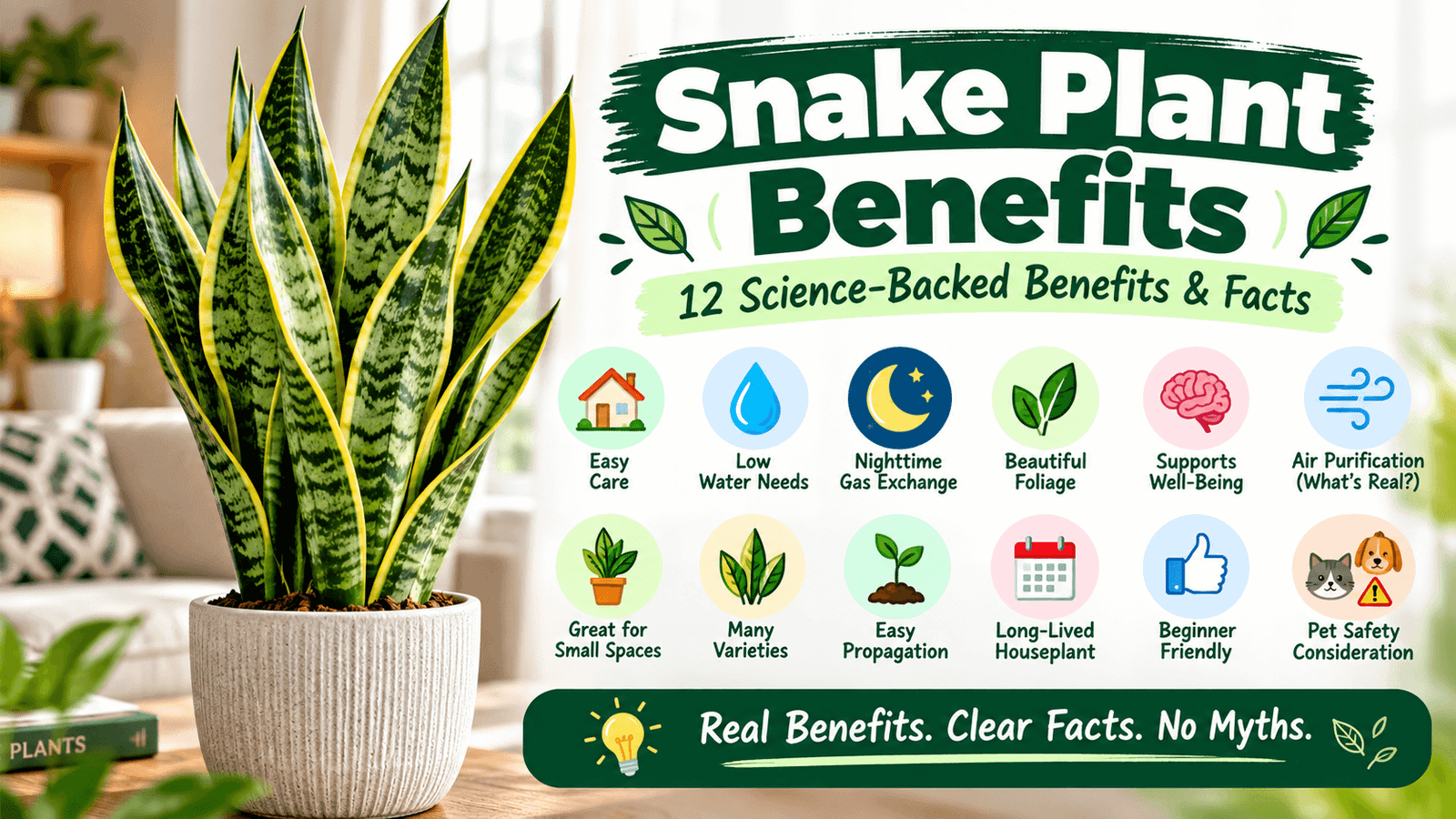
The most useful snake plant benefits are not miracle health claims. Snake plants are attractive, exceptionally practical houseplants that tolerate a wide range of indoor conditions, need relatively little maintenance, use an unusual nighttime gas-exchange strategy, and can bring greenery into homes with limited space.
What Are the Benefits of a Snake Plant?
Snake Plants Are Low-Maintenance Houseplants
One of the clearest benefits of a snake plant is how little attention it needs compared with many moisture-loving houseplants. Its thick, succulent-like leaves and adaptation to relatively dry conditions make it forgiving when watering is not frequent.
Penn State Extension describes snake plant as a long-lived, low-maintenance and forgiving houseplant.
Strong practical benefitThey Do Not Need Frequent Watering
Snake plants are useful for people who do not want to water indoor plants constantly. The potting medium should be allowed to dry between waterings rather than being kept continuously damp.
This makes the plant particularly practical for busy households, offices and beginners—but drought tolerance should not be confused with never needing water.
Use our complete snake plant watering guide to determine when your plant actually needs water.
Strong practical benefitSnake Plants Tolerate a Range of Indoor Light
Snake plants are well known for tolerating lower-light indoor conditions while also growing in brighter locations when protected from inappropriate exposure.
That adaptability makes them easier to place around a home than plants with very narrow light requirements.
They Provide Attractive Architectural Foliage
Snake plants grow upright rather than spreading broadly across a surface. Their sword-shaped leaves create a strong vertical shape that works well beside furniture, in corners, near windows and in narrow indoor spaces.
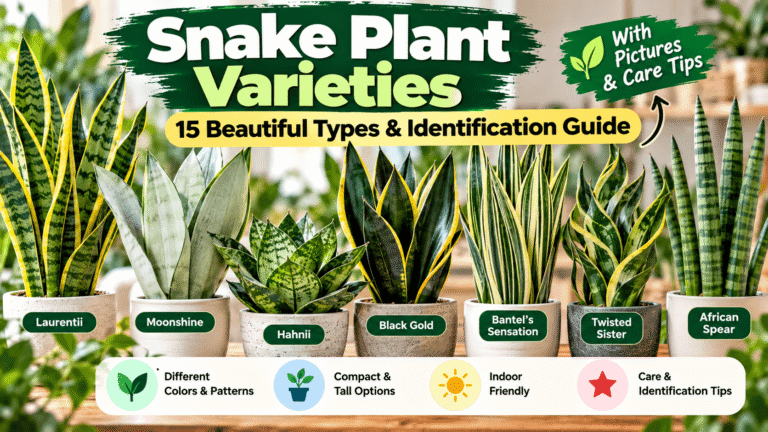
There is also considerable visual variety. Laurentii provides yellow-edged foliage, Moonshine offers pale silver leaves, Hahnii stays compact, and Black Gold creates dark-and-gold contrast.
Compare them in our 15 Snake Plant Varieties guide .
Snake Plants Use CAM Photosynthesis
Snake plants use Crassulacean Acid Metabolism, or CAM. Plants using this water-conserving strategy open their stomata primarily at night rather than during the hottest part of the day.
Royal Botanic Gardens, Kew explains that snake plants keep their stomata closed during the day to reduce water loss and open them at night as part of their carbon-dioxide and oxygen exchange process.
Botanically supportedThey Exchange Gases at Night
The snake plant’s CAM metabolism is the reason it is frequently recommended as a bedroom plant. Its gas-exchange timing differs from many familiar plants because carbon-dioxide uptake occurs mainly at night.
However, this fact is frequently exaggerated into claims that one small plant will substantially raise bedroom oxygen levels or transform sleep quality.
Indoor Greenery May Support Well-Being
The benefit here is broader than snake plants specifically. Research into interaction with indoor plants and green environments has explored effects on stress, mood, attention and perceived well-being.
A snake plant is particularly convenient for adding greenery because it combines visual impact with relatively simple maintenance.
Snake Plants Work Well in Small Spaces
Because many varieties grow primarily upward, they can provide substantial foliage without taking up the horizontal space required by large spreading houseplants.
Compact cultivars such as Hahnii can also work on shelves and desks, while taller forms can function as narrow floor plants.
They Are Available in Many Colors and Forms
Snake plant is not a single visual style. Cultivars can be silver, dark green, yellow-edged, white-striped, compact, tall, twisted or rosette-forming.
This means you can gain the practical advantages of snake plants while choosing foliage that matches your indoor space.
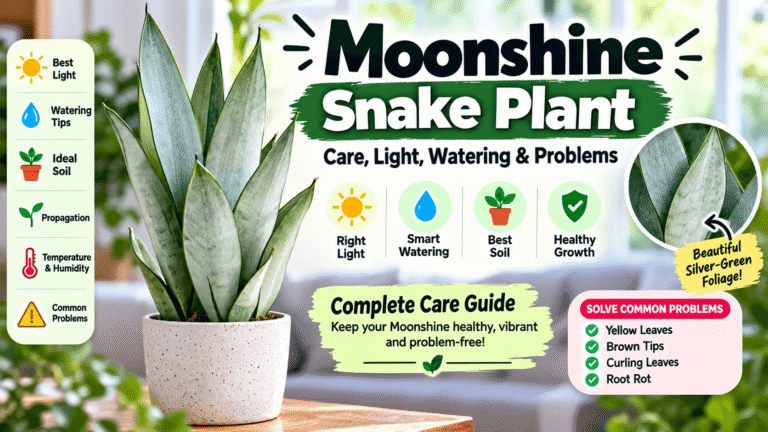
For example, see our dedicated Moonshine Snake Plant Care Guide for the distinctive silver cultivar.
Snake Plants Are Easy to Propagate
Established snake plants can be multiplied through methods such as division, offsets and leaf cuttings. This lets one mature plant eventually produce additional plants for other rooms or for sharing.
Different methods have different advantages, especially for variegated cultivars.
Follow our How to Propagate Snake Plant guide for all four methods.
They Adapt Well to Typical Indoor Conditions
Snake plants tolerate the relatively dry air common in homes and offices better than many humidity-demanding tropical plants.
UGA Extension notes that snake plants are adapted to low humidity and normal temperature ranges found in homes and businesses.
Extension-supported practical benefitThey Can Be Long-Lived Indoor Plants
With appropriate drainage, careful watering and suitable light, a snake plant can remain part of an indoor plant collection for many years.
This makes it more than temporary decoration. It can be maintained, divided and propagated as it matures.
The root zone is especially important. Read our Best Soil for Snake Plant guide to avoid dense, persistently wet growing media.
Does a Snake Plant Really Purify Indoor Air?
This is one of the most commonly exaggerated snake plant benefits. Older controlled-chamber experiments demonstrated that plants could remove certain pollutants from sealed test environments. That finding was later turned into the much broader claim that ordinary houseplants “clean the air” in homes.
That conclusion is not supported by real-world air-cleaning rates. Plants perform biological gas exchange, but that is different from providing effective room-scale air purification.
A 2020 review published in the Journal of Exposure Science & Environmental Epidemiology analyzed 196 results from previous chamber experiments. The researchers estimated that roughly 10–1,000 plants per square meter of floor area would be needed to achieve pollutant-removal rates comparable with normal building air exchange.
Does a Snake Plant Release Oxygen at Night?
Kew explains that snake plants close their microscopic leaf pores during the day to conserve water and open them at night. This adaptation helps the plant survive relatively dry environments.
Kew also cautions that although higher oxygen concentrations can be associated with sleep effects, you would need a room filled with snake plants before expecting a noticeable oxygen-related benefit.
Is a Snake Plant Good for the Bedroom?
Nighttime Physiology
CAM metabolism gives snake plants an unusual nighttime gas-exchange pattern.
Easy Placement
Their vertical foliage provides greenery without requiring a large horizontal footprint.
Simple Maintenance
They do not require the constant watering associated with many indoor plants.
Can Snake Plants Reduce Stress?
UGA Extension notes research showing that exposure to plants, indoors or outdoors, can help reduce stress. The practical advantage of snake plant is that its resilience makes this greenery easier to maintain.
Why Is a Snake Plant Good for Beginners?
Forgiving
Missing a rigid watering day is usually not a problem.
Adaptable
They tolerate more indoor light situations than many houseplants.
Low Humidity Friendly
They generally do not require a humid tropical environment.
Easy to Multiply
Mature plants can be divided or propagated to produce new plants.
Snake Plant Benefits: Fact vs. Myth
| Claim | What the Evidence Supports | Verdict |
|---|---|---|
| Low-maintenance houseplant | Snake plants tolerate relatively dry indoor conditions and varied light. | Well supported |
| Uses CAM photosynthesis | Stomata primarily open at night as a water-conservation adaptation. | Well supported |
| Removes VOCs | Demonstrated in controlled chamber experiments. | True in experiments |
| Purifies a normal room | Passive potted plants remove pollutants too slowly to compete with ordinary air exchange. | Overstated |
| Improves sleep | No strong evidence that one or a few snake plants directly improve sleep quality. | Not established |
| Reduces stress | Research supports potential well-being benefits from exposure to plants and greenery generally. | Possible broader plant benefit |
| Easy to propagate | Snake plants can be propagated by division, offsets and leaf cuttings. | Well supported |
Is There a Downside to Keeping a Snake Plant?
For cat owners, see our detailed Snake Plant Toxic to Cats guide for symptoms, prevention and what to do after suspected ingestion.
Frequently Asked Questions About Snake Plant Benefits
What are the main snake plant benefits?
The most reliable benefits are low maintenance, relatively low water requirements, tolerance of varied indoor light, attractive vertical foliage, easy propagation and suitability for typical indoor conditions.
Does snake plant purify the air?
Snake plants can remove some volatile organic compounds in sealed laboratory chambers, but research indicates that ordinary numbers of potted plants do not clean the air of real buildings fast enough to compete with normal ventilation.
Does snake plant give oxygen at night?
Snake plants use CAM photosynthesis and primarily open their stomata at night for carbon-dioxide uptake. However, a few houseplants are unlikely to produce enough oxygen to noticeably change the oxygen concentration of an ordinary bedroom.
Is snake plant good for sleeping?
Snake plant can be an attractive and easy-care bedroom plant, but there is insufficient evidence to claim that keeping one beside the bed directly improves sleep quality.
Is snake plant good for beginners?
Yes. Snake plants tolerate relatively dry indoor conditions, varied light and normal household humidity. Avoiding overwatering is one of the most important care requirements.
Is snake plant good for an office?
It can be a practical office plant because of its upright growth, relatively simple care and tolerance of a range of indoor conditions, provided it receives adequate light and is not overwatered.
Are snake plants safe for cats?
No. Snake plants contain saponins and should not be considered cat-safe. Keep the plant out of reach of pets that chew foliage.
How many snake plants do I need to purify a room?
There is no practical small number supported by evidence for meaningful passive room purification. A scientific review estimated that extremely high plant densities would be required to match normal building air exchange.
The Bottom Line
The most convincing snake plant benefits are simple: this is a durable, attractive and adaptable houseplant that can bring living greenery into a home without demanding constant care.
Its CAM physiology and ability to remove pollutants in laboratory chambers are scientifically interesting, but they should not be turned into exaggerated claims that one plant will purify an entire room, dramatically raise bedroom oxygen or cure sleep problems.
Choose a snake plant because it combines beautiful foliage, easy maintenance, low watering demands, flexible placement and simple propagation. Those practical benefits are strong enough without the myths.
Authoritative Sources & Further Reading
Royal Botanic Gardens, Kew: Snake Plant — Dracaena trifasciata
PubMed / Journal of Exposure Science & Environmental Epidemiology: Potted Plants Do Not Improve Indoor Air Quality — Review
Penn State Extension: Snake Plant: A Forgiving, Low-Maintenance Houseplant
University of Georgia Extension: Snake Plant: A Striking and Durable Houseplant