Snake Plant Care: Complete Indoor Growing Guide for Beginners
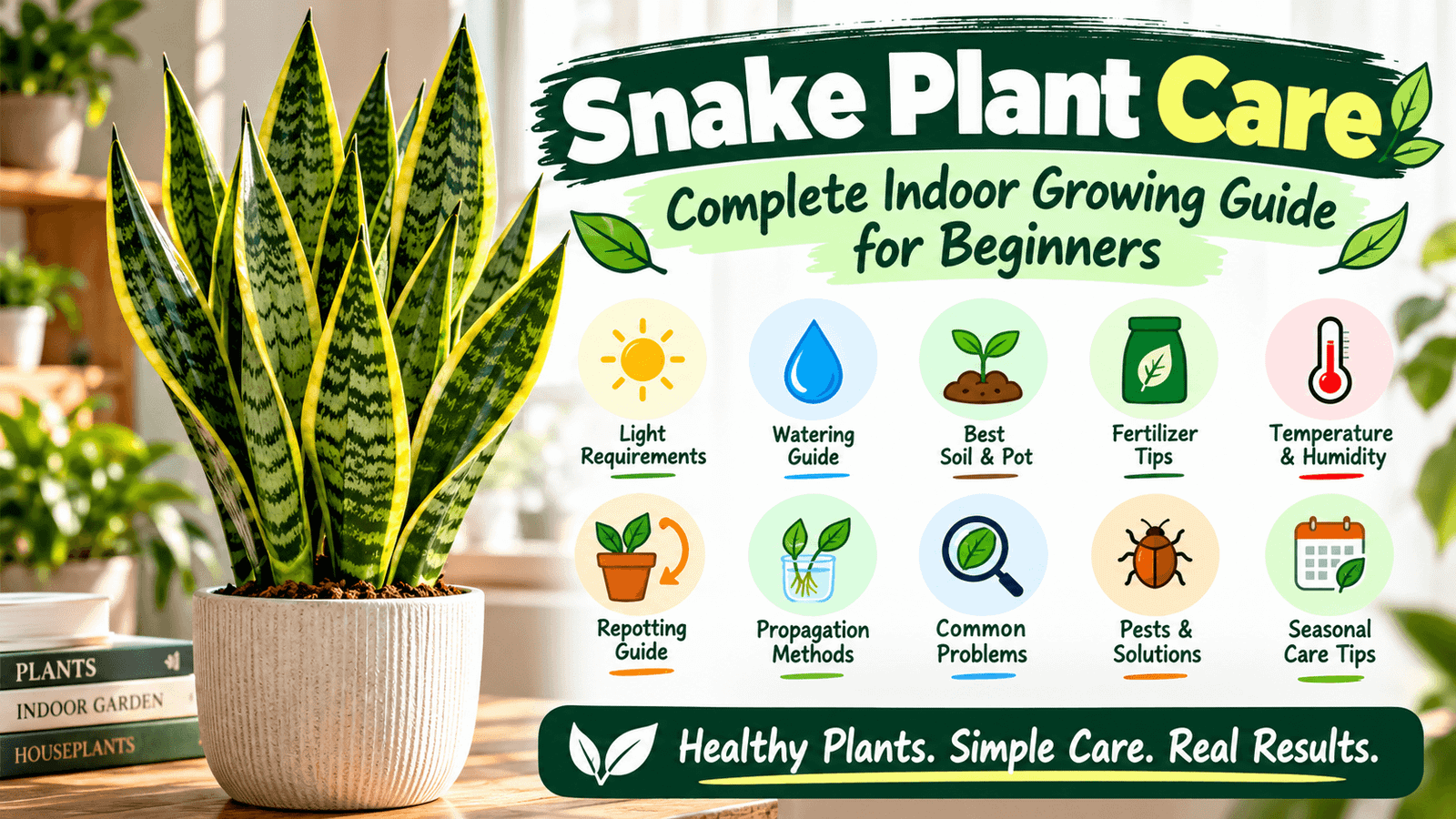
Snake plant care is easiest when you avoid giving the plant more water than it can use. Give your snake plant useful indoor light, let the potting mix dry between waterings, use freely draining soil and a container with drainage, and protect it from prolonged cold and wet conditions.
What Is a Snake Plant?
The familiar snake plant develops stiff, fleshy, sword-shaped leaves from an underground rhizome. Depending on the cultivar, foliage may be green and horizontally banded, yellow-edged, silver, dark green, white-striped or compact and rosette-forming.
Snake plants are valued as indoor plants because they tolerate relatively dry conditions, lower humidity and a broad range of light levels. That tolerance does not mean they are impossible to damage: persistently wet soil remains one of the most important problems to avoid.
If you want to identify your plant, compare it with our 15 Snake Plant Varieties & Identification Guide .
Snake Plant Care at a Glance
| Care Factor | Recommended Approach | Common Mistake |
|---|---|---|
| Light | Bright indirect light is excellent; tolerates lower light | Assuming a very dark location is ideal |
| Water | Let soil dry before watering thoroughly | Watering by a rigid weekly schedule |
| Soil | Loose, fast-draining potting mix | Dense soil that remains wet too long |
| Pot | Container with drainage holes | Roots sitting in trapped water |
| Humidity | Normal household humidity is usually adequate | Unnecessary frequent misting |
| Temperature | Warm, stable indoor conditions | Cold drafts and cold wet soil |
| Fertilizer | Light feeding during active growth | Overfeeding a stressed plant |
| Propagation | Division, pups or leaf cuttings | Ignoring variegation when choosing a method |
How Much Light Does a Snake Plant Need?
University of Minnesota Extension includes Dracaena trifasciata among plants suited to lower indoor light, while Penn State notes that snake plants enjoy bright indirect light but tolerate low-light areas. This broad adaptability is one reason snake plant care is relatively beginner-friendly.
Bright Indirect Light
A strong choice when you want healthy growth and attractive foliage.
Lower Light
Snake plants can tolerate it, but growth may be slower and watering needs may decrease.
Strong Direct Sun
Avoid suddenly moving a shade-grown plant into intense direct sun. Acclimate changes gradually.
How Often Should You Water a Snake Plant?
A rigid rule such as “water every Sunday” can cause problems because the same plant may dry at very different speeds during different seasons or in different rooms.
Check the Soil
Confirm that the root zone has dried sufficiently before adding more water.
Water Thoroughly
Apply water evenly to the potting mix rather than giving frequent small splashes.
Let Excess Water Escape
Allow water to drain through the container and do not leave the pot standing in collected water.
Wait for the Next Dry-Down
Do not water again simply because a certain number of days have passed.
For the full decision system, seasonal differences and overwatering versus underwatering symptoms, read: How Often to Water a Snake Plant .
What Is the Best Soil for a Snake Plant?
Fast-Draining Mix
Use a potting medium that drains freely while still providing enough structure for healthy roots.
Drainage Hole
The container should allow excess irrigation water to leave the root zone.
For our exact DIY mix, ingredient comparison and potting advice, see: Best Soil for Snake Plant: Easy DIY Mix & Potting Guide .
What Temperature and Humidity Do Snake Plants Prefer?
NC State Extension reports that snake plant tolerates low humidity and cool temperatures around 50°F (10°C). That is better treated as a lower tolerance point than an ideal target for vigorous indoor growth.
Temperature
A normal comfortable indoor environment generally suits the plant. Keep it away from frost and sudden cold exposure.
Humidity
Average household humidity is normally adequate. Snake plant does not require the consistently high humidity demanded by some tropical houseplants.
Does a Snake Plant Need Fertilizer?
Penn State Extension recommends an all-purpose fertilizer at half strength during the growing season for more robust growth.
When Should You Repot a Snake Plant?
Penn State notes that snake plants do not mind being snug, while extreme root binding can eventually break a clay container.
Signs It May Be Time to Repot
- Rhizomes or roots are severely crowding the container.
- The plant is physically pushing against or damaging the pot.
- The old potting medium has become compacted.
- Drainage behavior has changed significantly.
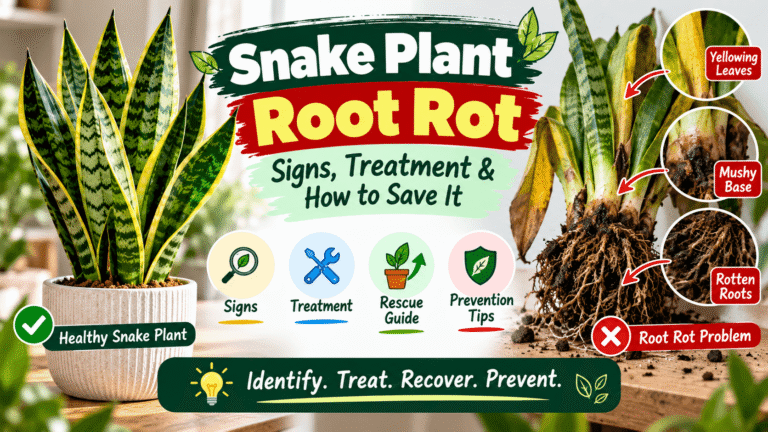
- You need to inspect roots because of suspected rot.
- You want to divide an established clump.
How Do You Propagate a Snake Plant?
Division
Separate an established clump into rooted sections. Penn State lists division as a propagation method for snake plants.
Pups
Established plants can produce offsets that can be separated once suitable roots and rhizome tissue are present.
Leaf Cuttings
Leaf sections can produce new plants, although this method has an important limitation for certain variegated cultivars.
Follow all four methods step by step in: How to Propagate Snake Plant .
What Are the Most Common Snake Plant Problems?
How Do You Save an Overwatered Snake Plant?
Stop Adding Water
Do not treat wet-soil symptoms by watering again.
Inspect the Root Zone
Remove the plant carefully if rot is suspected and look for soft, dark or deteriorating tissue.
Remove Severely Damaged Tissue
Use clean tools and retain healthy firm roots and rhizomes where possible.
Correct the Environment
Use freely draining fresh media and a container with functional drainage, then correct the watering routine.
What Pests Affect Snake Plants?
Penn State and NC State both identify mealybugs and spider mites among the pests that can affect snake plants.
Mealybugs
Look for white, cottony material around protected leaf areas and plant crevices.
Spider Mites
Inspect for fine webbing, stippling and declining foliage, particularly when a plant appears stressed.
Does Snake Plant Care Change in Winter?
| Season / Condition | What Changes? | What to Do |
|---|---|---|
| Brighter active-growth period | Soil may dry faster | Check moisture more frequently |
| Lower-light winter period | Soil may remain wet longer | Increase time between waterings as needed |
| Warm bright room | Water use may increase | Let actual soil condition decide |
| Cool dim room | Dry-down may be much slower | Be especially cautious with water |
NC State specifically recommends allowing soil to dry between waterings and watering substantially less during winter.
What Are the Biggest Snake Plant Care Mistakes?
✓ Do
- Check soil before watering.
- Use freely draining potting media.
- Use a container with drainage.
- Provide useful indoor light.
- Adjust watering as conditions change.
- Inspect leaves and roots when symptoms appear.
✗ Don’t
- Water automatically every week.
- Leave the pot standing in water.
- Assume “low-light tolerant” means no light.
- Use fertilizer as a cure for root problems.
- Ignore a soft or mushy plant base.
- Assume every yellow leaf means underwatering.
Do Different Snake Plant Varieties Need Different Care?
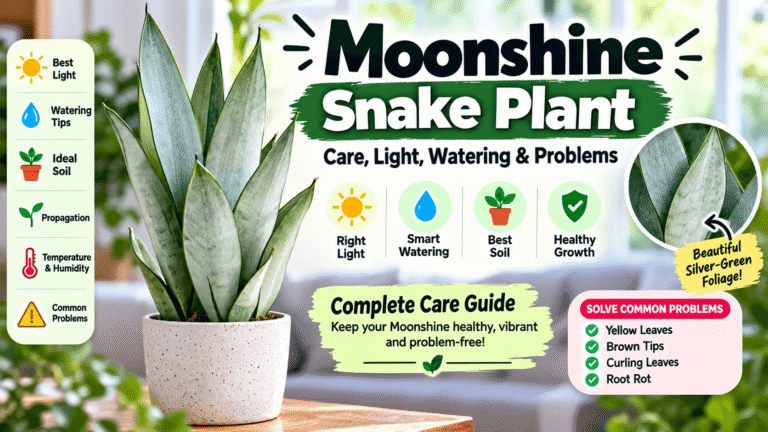
For example, the silver foliage of Moonshine makes it visually very different from Laurentii, but the same fundamentals of drainage and careful watering remain important.
If you grow the silver cultivar, use our dedicated Moonshine Snake Plant Care Guide .
Can a Healthy Snake Plant Flower Indoors?
If yours has suddenly produced buds or a flower stalk, see: Snake Plant Flower: Why It Blooms & What to Do .
What Are the Benefits of Growing a Snake Plant?
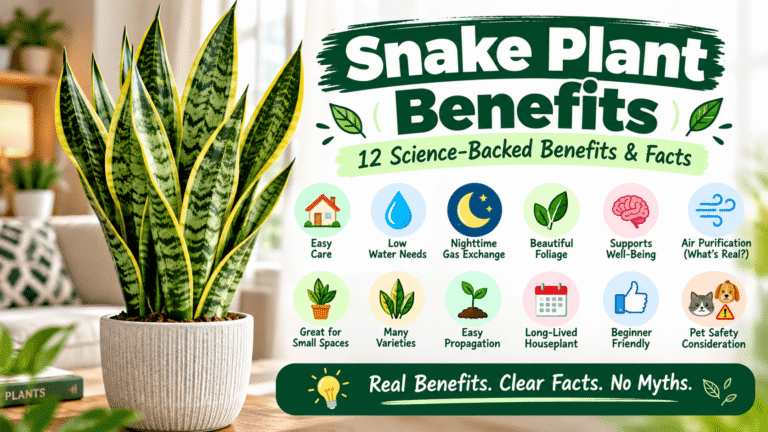
We separate established benefits from exaggerated internet claims in: Snake Plant Benefits: Science-Backed Benefits & Facts .
Are Snake Plants Safe for Cats and Dogs?
NC State and Penn State both identify snake plants as toxic due to saponins.
Cat owners should read: Is Snake Plant Toxic to Cats? Symptoms, Safety & What to Do .
Frequently Asked Questions About Snake Plant Care
Are snake plants easy to care for?
Yes. Snake plants are considered relatively low-maintenance because they tolerate lower humidity, periods of dry soil and a broad range of indoor light. Overwatering is one of the main problems to avoid.
Where is the best place to put a snake plant indoors?
A location with bright indirect light is a strong choice, although snake plants tolerate lower-light areas. Avoid sudden exposure to intense sunlight if the plant has been growing in shade.
How often should I water my snake plant?
Do not rely only on a fixed number of days. Let the potting mix dry between waterings, then water thoroughly and allow excess water to drain. Drying speed changes with season, light, soil and pot size.
Can a snake plant survive in low light?
Yes. Snake plants tolerate low-light conditions, but brighter indirect light generally provides better conditions for active growth.
Should I mist a snake plant?
Routine misting is generally unnecessary. Snake plants tolerate ordinary household humidity and their root-zone moisture is more important than repeatedly wetting the foliage.
Why are my snake plant leaves turning yellow?
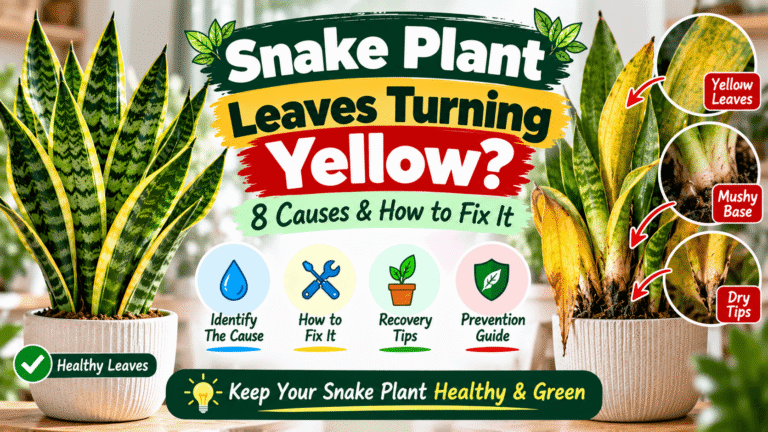
Yellowing has several possible causes, but soft yellow leaves combined with persistently wet soil should make you check for overwatering and root or rhizome rot before adding more water.
What type of soil does a snake plant need?
Use loose, freely draining potting media. Cactus or succulent-style mixes amended for additional aeration can work well when paired with a container that has drainage holes.
When should I repot a snake plant?
Repot when the plant becomes excessively crowded, the pot is being stressed by roots or rhizomes, the potting medium has deteriorated, or root inspection is necessary because of a problem such as rot.
Why is my snake plant not growing?
Growth can slow because of low light, cooler seasonal conditions, root problems or other environmental limitations. Check light and root health before assuming the plant needs more fertilizer.
Is snake plant toxic to pets?
Yes. Snake plants contain saponins and should be kept away from cats and dogs that may chew or ingest the plant.
The Bottom Line
Successful snake plant care is mostly about restraint. Give the plant useful light, use a freely draining root environment, and wait for the potting mix to dry before watering again.
Instead of memorizing a rigid watering calendar, learn to read the plant and its environment. A snake plant in bright warmth, a small terracotta pot and airy soil will dry differently from one growing in lower light inside a large moisture-retentive container.
If you remember only three things, remember: use good drainage, check before watering, and diagnose the cause before treating a symptom.
Authoritative Horticultural References
NC State Extension: Dracaena trifasciata — Snake Plant
Penn State Extension: Snake Plant: A Forgiving, Low-Maintenance Houseplant
University of Minnesota Extension: Lighting for Indoor Plants
Penn State Extension: Propagating Houseplants